Author Archives: Meneka Thiru

What’s a lit mag?

“Lit mag” is short for literary magazine and encompasses a wide range of publications that include literary material – which can be quite broad. Lit mags can include poetry, non-fiction essays, short fiction, interviews with writers or artists, and sometimes visual artwork such as photographs, paintings, or collages. Lit mags are full of interesting stuff!

Lit mags often include work from both new and well-established writers and artists. They can often be a way for writers new in their career to share their work with others and gain a following. Some of your favorite authors have probably published in a lit mag at some point in their lives.

The UAA/APU Consortium Library has a wide and varied collection of printed lit mags that you can read. These include (but aren’t limited to) Bayou Magazine, the Chicago Review, the Gettysburg Review, the Journal, Mid-American Review, and Poetry East. These are located in our literary journal collection on the second floor behind the computers. The Alaska Quarterly Review can be found in the Alaska Journals collection at the back of the Alaska Collection on the second floor.

You can also check out lit mags (and other ebooks and audiobooks) on your laptop, phone, or tablet using Libby! (If accessing from a computer or laptop go here, if on your phone or tablet download the Libby app). Log in by selecting “UAA/APU Consortium Library” from the drop down menu and putting in your student ID number and PIN (you can call 907-786-1871, option 3 if you’re not sure what your PIN is). You can check out the New Yorker, the Paris Review, and Poetry Magazine. While you’re there, poke around and see what other free resources are available to you through Libby!

Looking for a particular magazine, author, or topic? Reach out to us at the Information & Research Help Desk!
The Odyssey

Have you seen Christopher Nolan’s the Odyssey in theaters? The nearly three hour long film seeks to bring the classic Homeric tale to life – relying on an incredibly stacked cast and creative use of practical effects.

Any adaptation must deviate from its source text slightly – translating text to film necessitates some changes. If you’re interested in reading the original text and discovering those differences, it’s pretty easy to find copies! We have several different editions available in print at the Consortium Library (though it’s popular right now and you may have to wait for a hold) and it’s also available as a free download through Project Gutenberg. Emily Wilson, who translated the Odyssey in 2017, includes some of the differences between the movie and the poem in her rather critical review (which in the end also celebrates the movie’s success at encouraging interest in the classics).

Explore different aspects of the Odyssey with these articles from our databases below (don’t forget to log in for off-campus access or connect to campus wifi before clicking the links!). With a text as old as this one, there has been so much discussion and analysis of almost every aspect of the story, you can dive deeper on any point of interest. The articles below are just a small selection – if there is something else that you’d like us to help you learn more about, don’t hesitate to ask us.

The Odyssey has been the inspiration for numerous retellings and adaptations, much of which you can find through the Library. In literature, Dante’s Inferno draws from the Odyssey as Dante meets Odysseus in the 8th circle of hell. Ulysses by James Joyce was heavily influenced by the Odyssey as well. More recently, Circe, the novel by Madeline Miller draws from the text to imagine Circe’s life on her deserted island before and after Odysseus (who in the poem stays with Circe for a year). The Odyssey has been adapted for the screen several times before, as early as in 1911 in a silent Italian film and more recently by Andrei Konchalovsky in 1997 as a mini series called the Odyssey; by the Coen Brothers in 2000 (quite loosely) in the film O Brother Where Art Thou; and by Uberto Pasolini in 2024 in the film The Return.

A lot of conversation has also been sparked about the use of practice effects (as opposed to CGI) in Nolan’s rendition. You can review a list of some of the most-discussed examples here. If you want to understand more about practical effects, these books about special effects in film and TV published in the 1980s and 90s are a great place to start – they were released at a time in filmmaking that was less reliant on computer generated imagery.

Have further questions? Reach out to us at the Information & Research Help Desk!
Watching the World Cup? Learn more about it!

The World Cup is in full swing! Are you watching?

There are a number of ways to dive deeper into the World Cup – whether you want to explore the impact of the Cup on individual players or the impact that hosting has on countries, you can find a lot of information through our databases. Highlighted below are a few articles we found interesting. Be sure to be logged in for off-campus access or connected to campus WiFi to access these items.


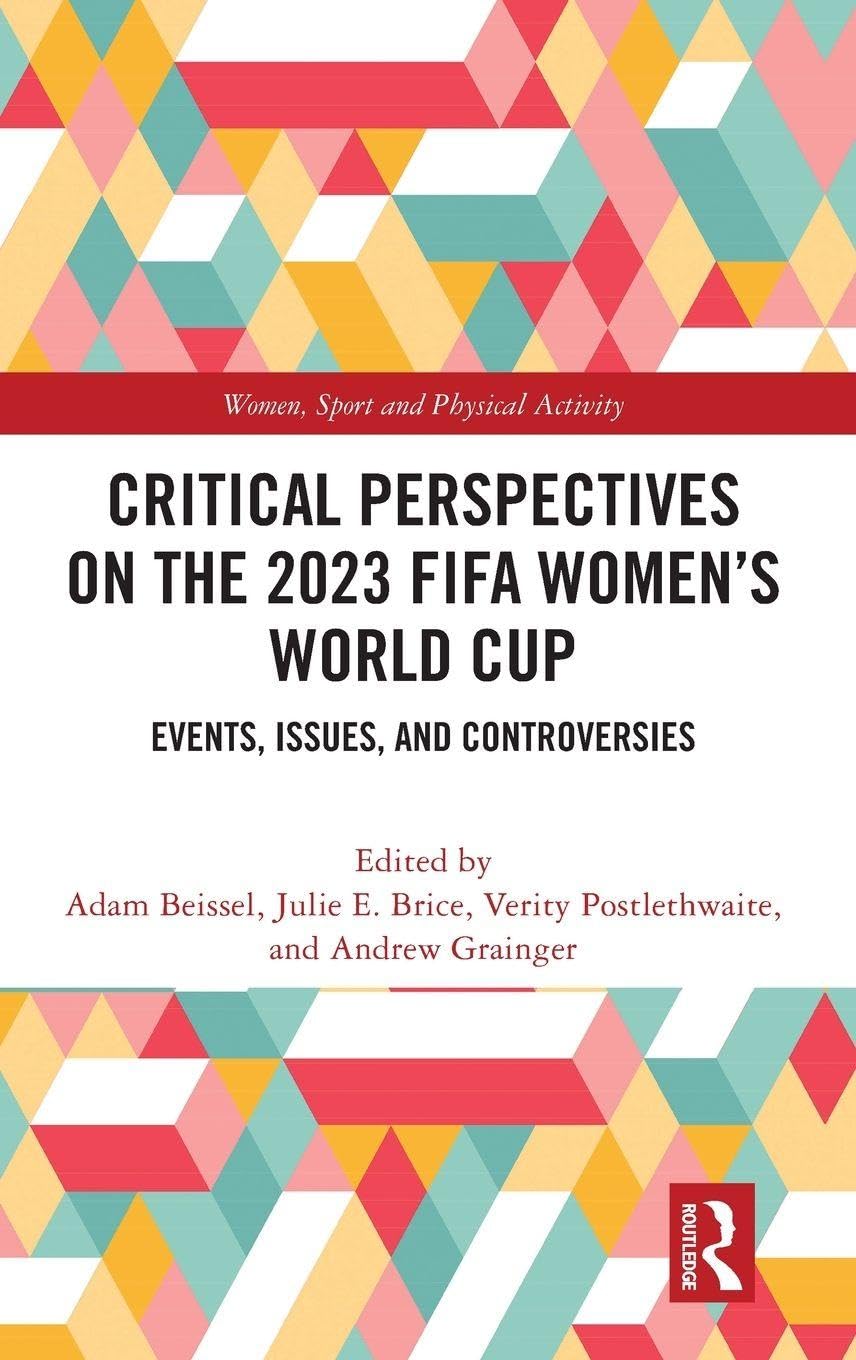
Critical Perspectives on the 2023 FIFA Women’s World Cup: Events, Issues, and Controversies (eBook), edited by Adam Beissel, Julie E. Brice, Verity Postlethwaite, and Andrew Grainger

World Cup Challenges Are Not New: Increasing Complexity and the Evolution of Preparation Across 48 Years of FIFA World Cups by Alan McCall, Guilherme Passos‑Ramos, Gary Lewin, Zoran Bahtijarević, Oscar Luis Celada, Nicklas Dietrich, Les Gelis, Ricard Pruna, Gregory Dupont

Understanding resident support towards the 2030 FIFA World Cup: a co-hosting country’s perspective by Tiago Ribeiro & Victor Manoel Cunha de Almeida

Protecting Mental Health and Wellbeing at the Men’s Football World Cup by Adam Gledhill, Vincent Gouttebarge, Kensa K. Gunter, Kristoffer Henriksen, Andreas Ivarsson, Emma Kavanagh, Carsten Hvid Larsen, Margo Mountjoy

Reach out to us at the Information and Research Help Desk for help finding more information!

Have you seen Obsession and Backrooms? Explore the horror genre further!

Two horror movies were released in close succession this summer and both have been sparking conversation – Obsession and Backrooms.

Obsession, directed by Curry Barker and starring Inde Navarrette, explores what happens when a man who is infatuated with his friend wishes that she would love him more than anyone in the world – and has that wish granted. Even if you haven’t seen the film, you can imagine  how horribly awry things go from there. The film explores the way that gender dynamics, power, and control of romantic partners intersect.

Read more about the portrayal and exploration of gender in the horror genre with these articles (be sure to be logged in for off-campus access or connected to UAA WiFi!):

Backrooms, directed by Kane Parsons and starring Chiwetel Ejiofo, follows a man living in a furniture store who discovers a portal into a seemingly endless liminal space. The film was based on a web series created by Parsons which was based on “the Backrooms” creepypasta. (Creepypasta is a term used to describe user-generated horror stories that are shared through online platforms, like chatrooms, videos, and forums.) Read more with these articles and books:

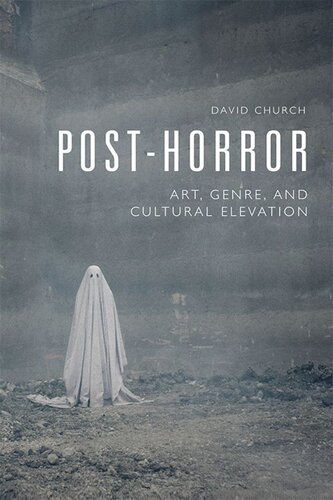
Both films are part of a new movement in horror that is shifting the way that horror is evoked and expressed (and both directors are in their 20s!). You can explore more with this ebook, Post-Horror: Art, Genre and Cultural Elevation by David Church.

Post-Horror book cover

If you’re interested in learning more about the horror genre or any other topic, get in touch with us at the Information and Research Help Desk – we’re always happy to help!

Exploring Iran’s Culture and History

Interested in learning more about Iran? Iran has a long and rich history, which you can explore through the books and articles in our collection. Scroll down for some highlights from our print book collection!

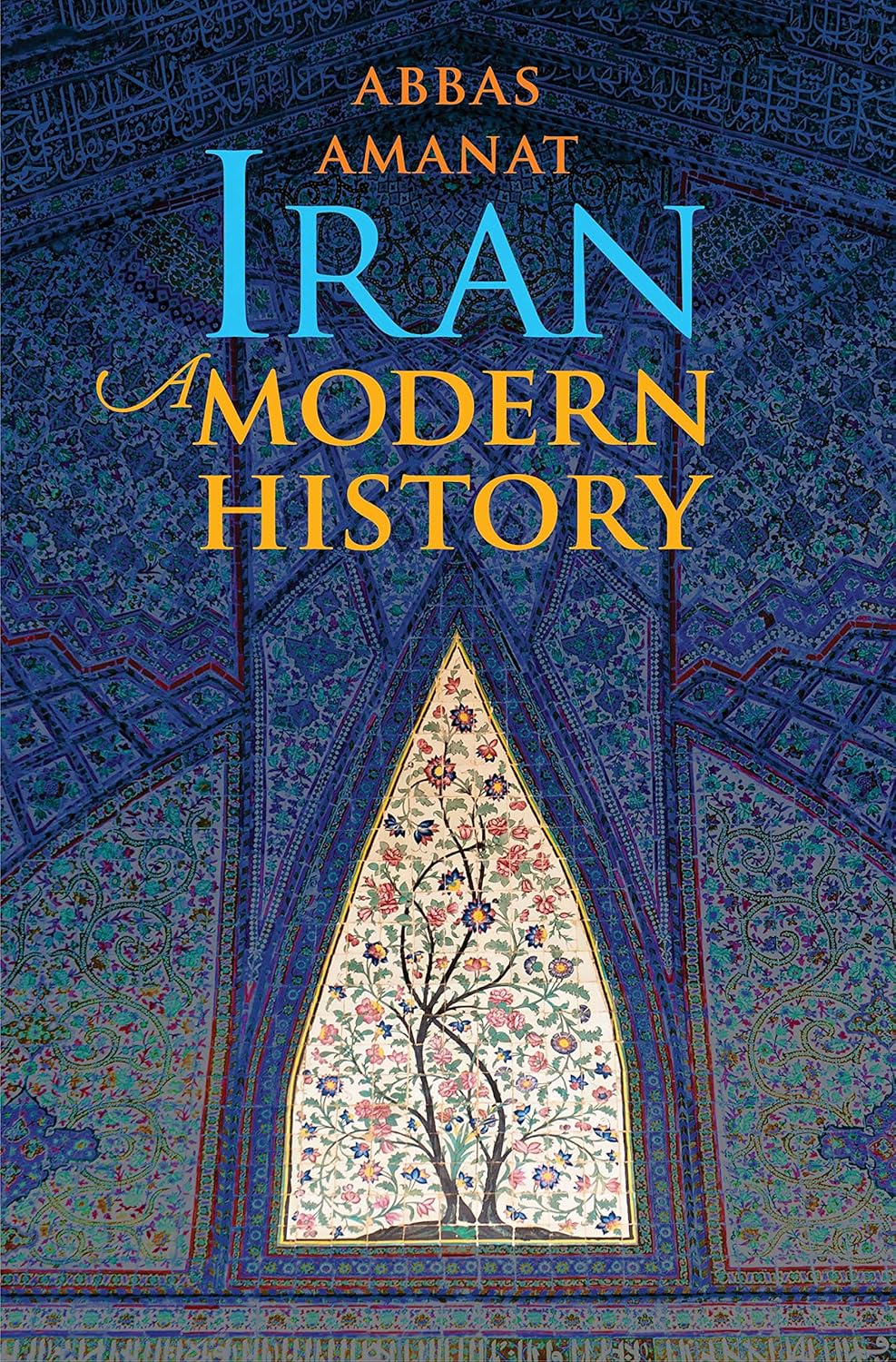
cover of Iran: A Modern History by Abbas Amanat
Iran : a modern history
by Abbas Amanat, an Iranian born scholar and historian, covers the history of Iran from 1501 to 2009. Rather than a linear survey of historical events, Amanat explores Iranian history through various themes, following through lines that have had impacts on the modern world.

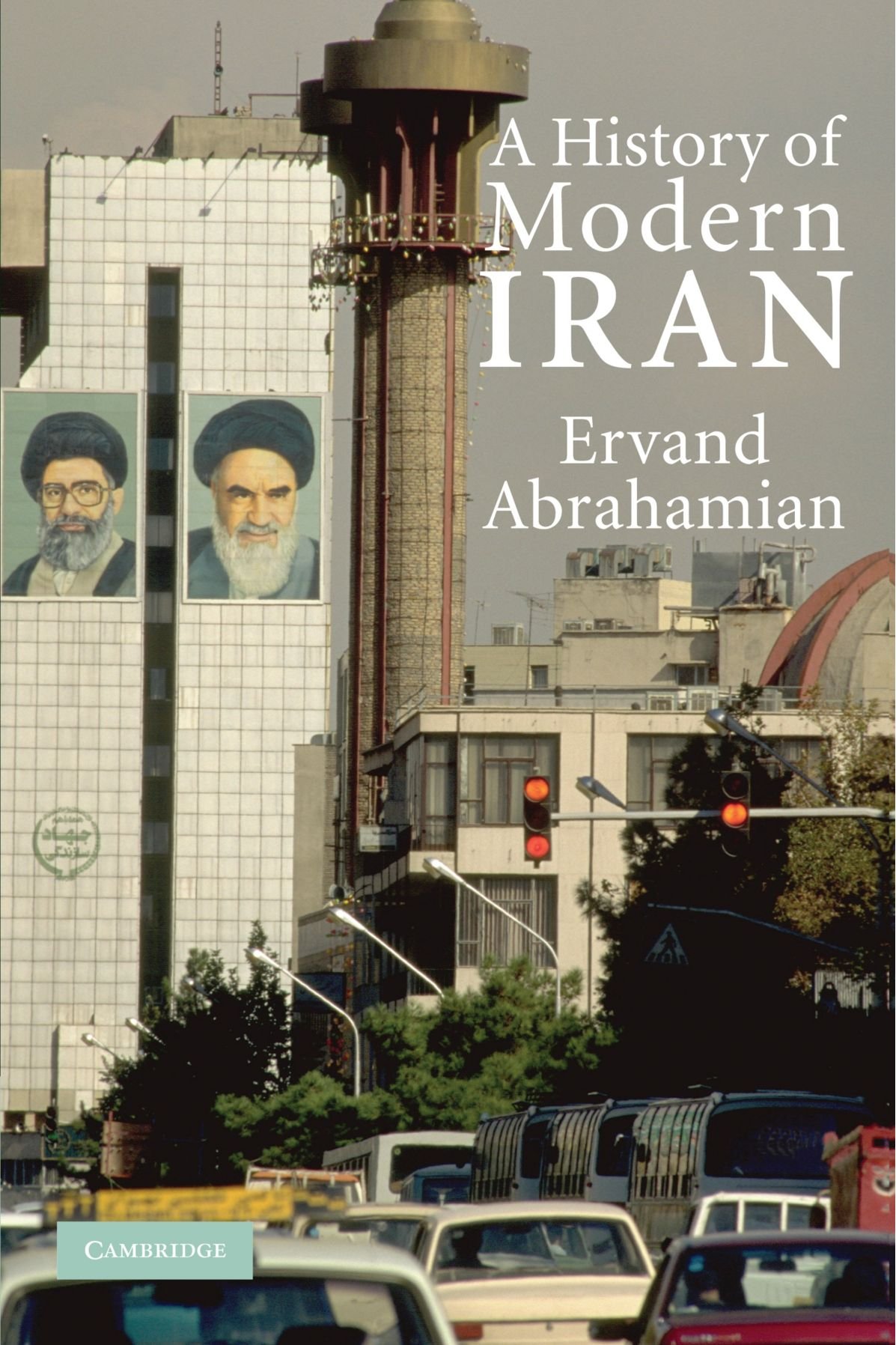
cover of A History of Modern Iran by Ervand Abrahamian
A history of modern Iran by Ervand Abrahamian focuses on Iran in the twentieth century. He writes about Iran under the rule of the Qajars at the beginning of the century all the way through to the rise of the Islamic Republic.

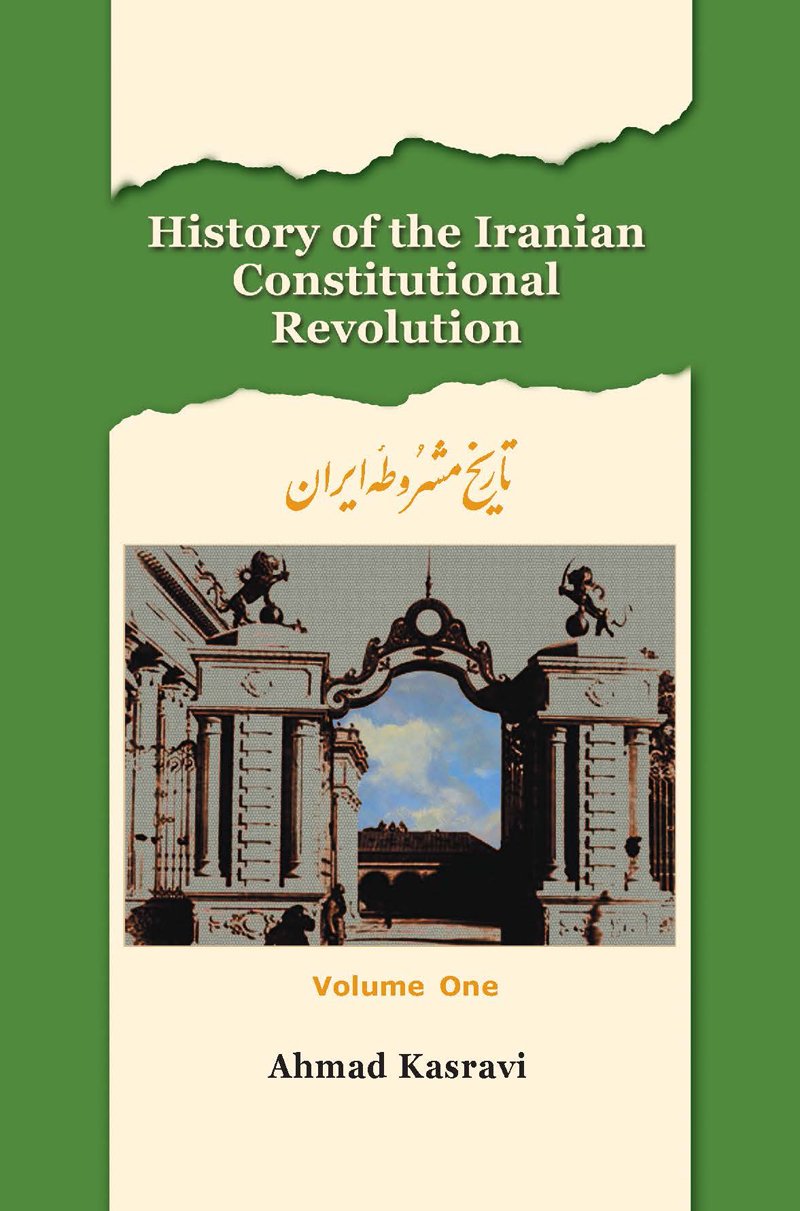
cover of History of the Iranian Constitutional Revolution by Ahmad Kasravi
If you’d like to dive deeper into the history of the Iranian Constitutional Revolution that took place at the beginning of the twentieth century, check out History of the Iranian constitutional revolution by Ahmad Kasravi and translated from the Persian by Evan Siegel. Ahmad Kasravi was an important Iranian historian and legal scholar (among other things).

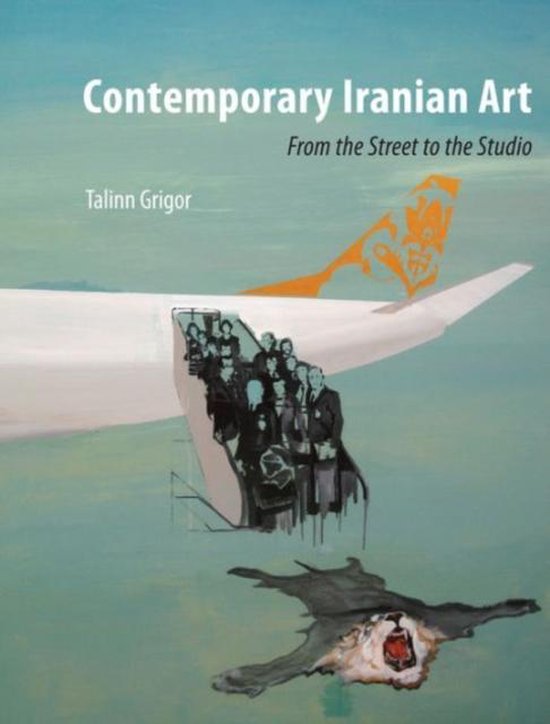
cover for Contemporary Iranian Art by Talinn Grigor
Learn more about contemporary Iranian art in Contemporary Iranian art : from the street to the studio by Talinn Grigor. Published in 2014, this book presents the art has been created in Iran since the 1979 revolution and the way it is influenced by the political, social, religious, and cultural context that surrounds it. It examines state sponsored art, works created by artists for galleries in Iran, and art created by the Iranian diaspora.

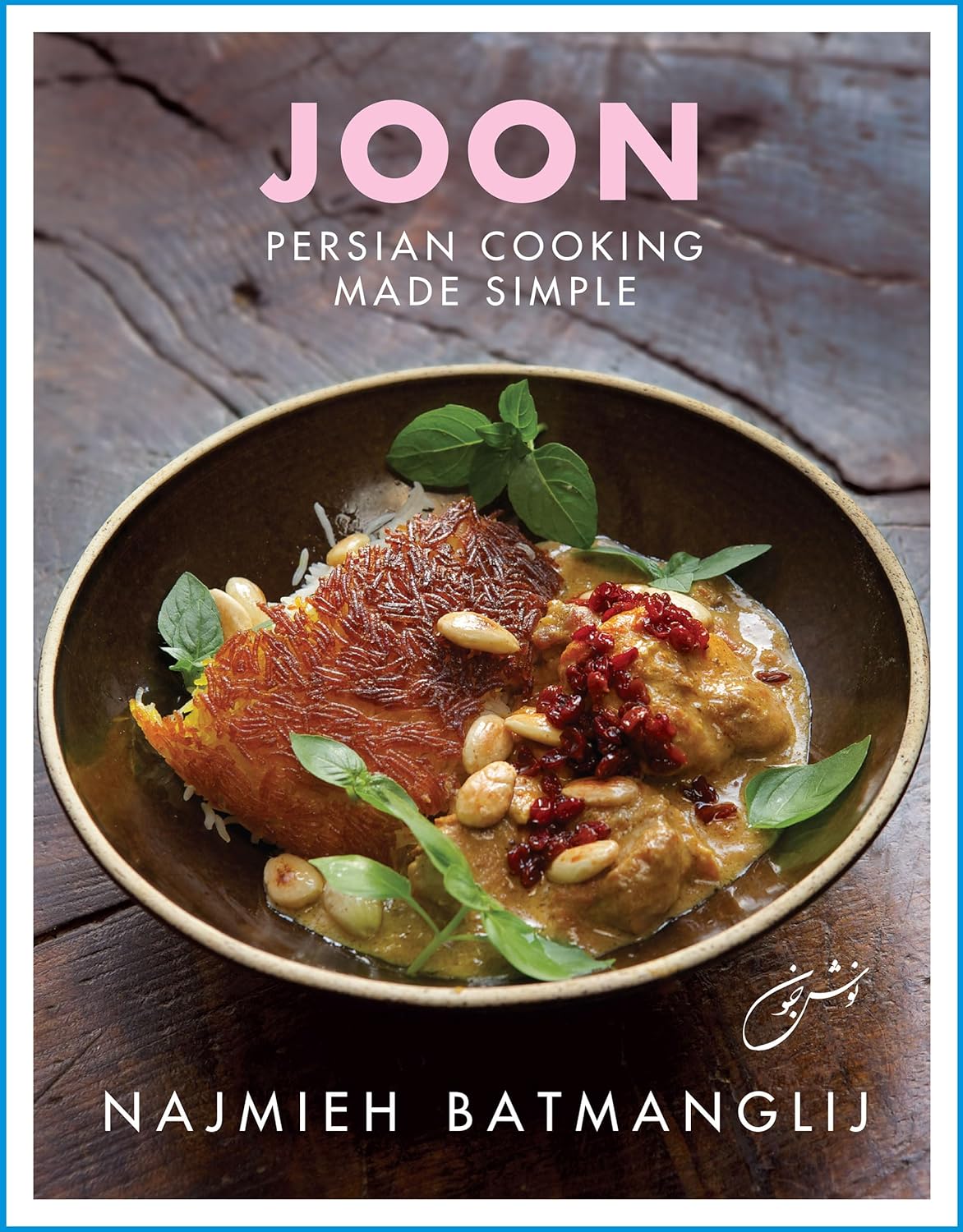
cover of Joon: Persian Cooking Made Simple
Explore Iran’s culture through it’s food with Joon : Persian cooking made simple by Iranian chef Najmieh Batmanglij. Adapted to accommodate busy lifestyles, Batmanglij shows you how to make Persian food with a few key ingredients and techniques.

Want to explore more? Search our catalog to find more books or use Quick Search to find articles! And don’t forget that you can always reach out to the Information & Research Help Desk for assistance finding resources – we’re accessible in person, by phone, chat, or email!