Monthly Archives: April 2026

French literature is in the air this summer

Summer is approaching and maybe you are asking yourself, what should I read for fun? If you are interested in French female authors from the 20th century, the APU/UAA Consortium library has you covered. Below are 3 prominent French Authors whose work can be found amongst our shelves. Summer is a great opportunity to discover their lives and work.


Simone de Beauvoir

If you are interested in philosophy and feminism, Simone de Beauvoir checks both boxes. Born January 9th, 1908, de Beauvoir is most known for her 2 volume masterpiece, The Second Sex (Britannica, Simone de Beauvoir, 2026), which is available to borrow from the UAA Consortium Library. Her work ranges from autobiographical, philosophical and fiction. The UAA Consortium Library has copies of her work in both English and French.

Colette

If you are interested in scandal and love, these are topics Colette is famous for. Collette, born Sidonie-Gabrielle Colette January 28, 1873, began her writing career writing about a fictitious school girl named Claudine. Colette’s first husband claimed credit for her work publishing her work under his name. Once they separated she started to claim ownership of her work and has since been known and remembered by the monotone Colette (Self, 2023).

Marguerite Duras

Marguerite Duras was born in Vietnam and moved to study at the Sorbonne in Paris when she was 17. Novelist, screenwriter, playwright and even a film director Duras has many accomplishments associated with her name. Her semi-autobiographical novel The Lover won the prestigious Prix Goncourt, a French literary award (Britannica, Marguerite Duras, 2026).

To find work written by these trailblazing 20th Century female French authors, visit our Catalog.


References

Britannica. (2026, February 18). Simone de Beauvoir. Encyclopedia Britannica. https://www.britannica.com/biography/Simone-de-Beauvoir
Britannica. (2026, March 31). Marguerite Duras. Encyclopedia Britannica. https://www.britannica.com/biography/Marguerite-Duras
Self, J. (2023, January 25). Colette: The most beloved French writer of all time. BBC. https://www.bbc.com/culture/article/20230125-colette-the-most-beloved-french-writer-of-all-time
Exploring Iran’s Culture and History

Interested in learning more about Iran? Iran has a long and rich history, which you can explore through the books and articles in our collection. Scroll down for some highlights from our print book collection!

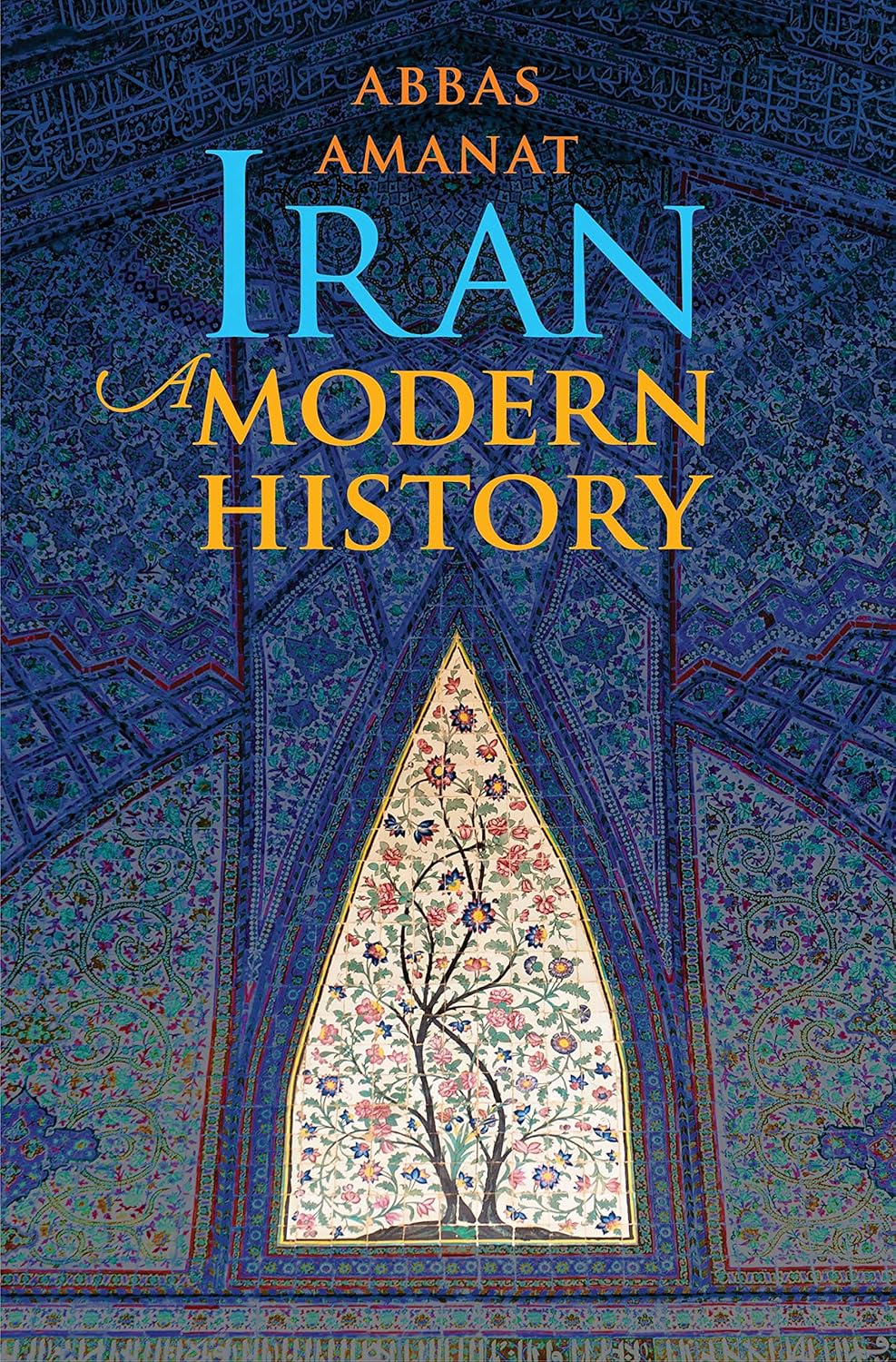
cover of Iran: A Modern History by Abbas Amanat
Iran : a modern history
by Abbas Amanat, an Iranian born scholar and historian, covers the history of Iran from 1501 to 2009. Rather than a linear survey of historical events, Amanat explores Iranian history through various themes, following through lines that have had impacts on the modern world.

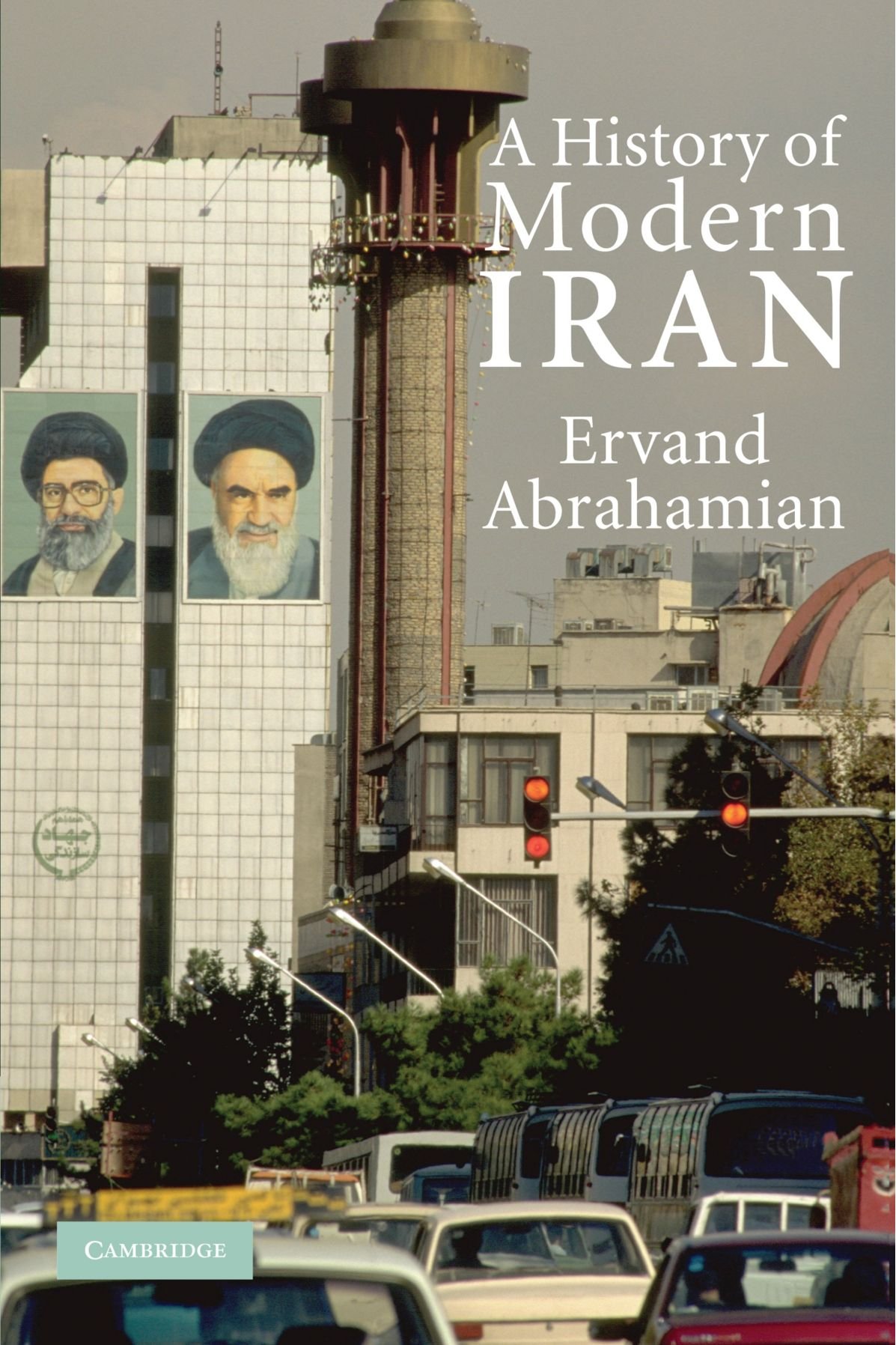
cover of A History of Modern Iran by Ervand Abrahamian
A history of modern Iran by Ervand Abrahamian focuses on Iran in the twentieth century. He writes about Iran under the rule of the Qajars at the beginning of the century all the way through to the rise of the Islamic Republic.

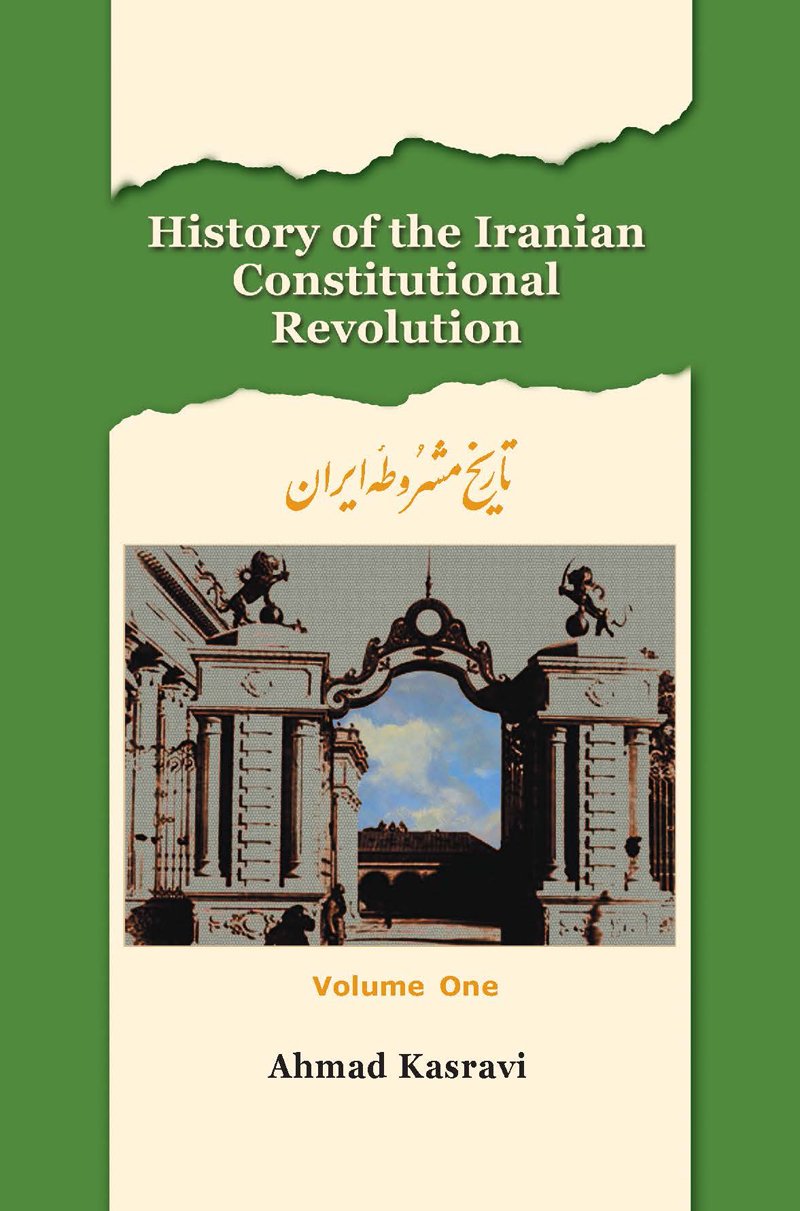
cover of History of the Iranian Constitutional Revolution by Ahmad Kasravi
If you’d like to dive deeper into the history of the Iranian Constitutional Revolution that took place at the beginning of the twentieth century, check out History of the Iranian constitutional revolution by Ahmad Kasravi and translated from the Persian by Evan Siegel. Ahmad Kasravi was an important Iranian historian and legal scholar (among other things).

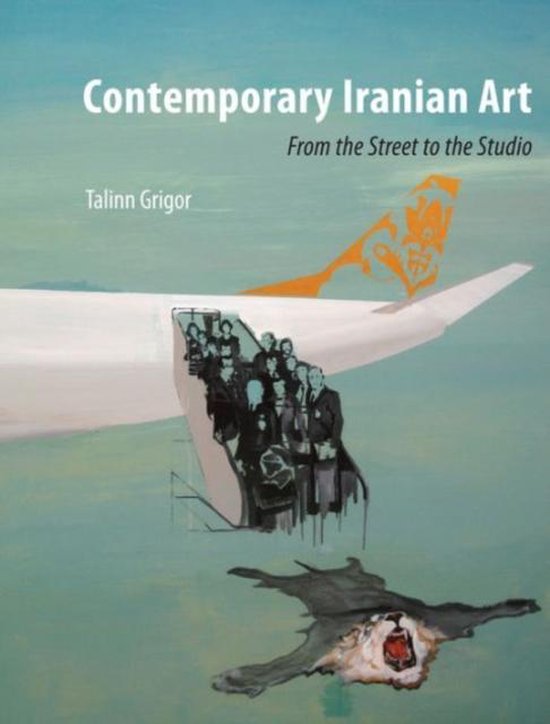
cover for Contemporary Iranian Art by Talinn Grigor
Learn more about contemporary Iranian art in Contemporary Iranian art : from the street to the studio by Talinn Grigor. Published in 2014, this book presents the art has been created in Iran since the 1979 revolution and the way it is influenced by the political, social, religious, and cultural context that surrounds it. It examines state sponsored art, works created by artists for galleries in Iran, and art created by the Iranian diaspora.

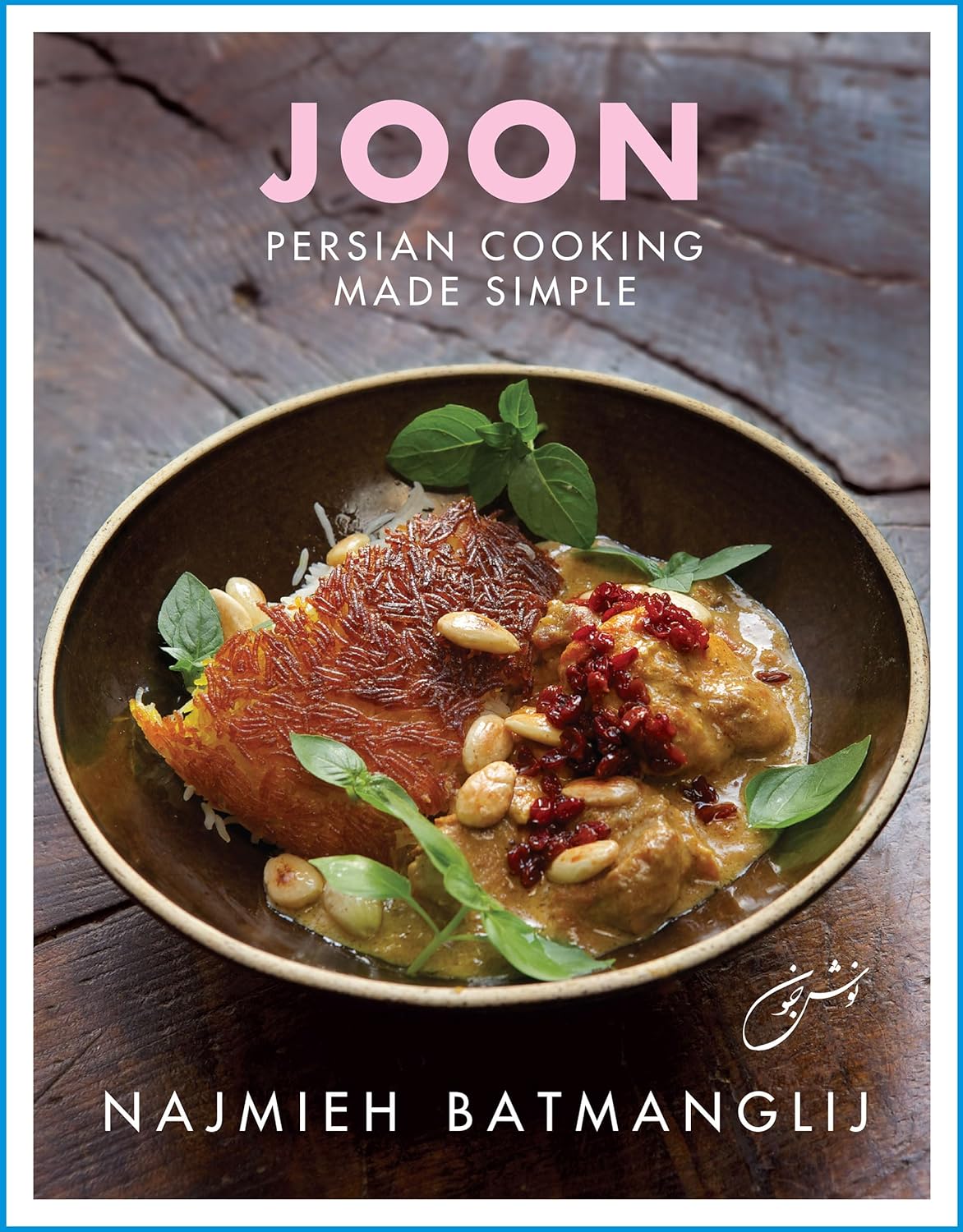
cover of Joon: Persian Cooking Made Simple
Explore Iran’s culture through it’s food with Joon : Persian cooking made simple by Iranian chef Najmieh Batmanglij. Adapted to accommodate busy lifestyles, Batmanglij shows you how to make Persian food with a few key ingredients and techniques.

Want to explore more? Search our catalog to find more books or use Quick Search to find articles! And don’t forget that you can always reach out to the Information & Research Help Desk for assistance finding resources – we’re accessible in person, by phone, chat, or email!

Don’t Let Bad Sources Tank Your Final Paper

Finals week is when “good enough” might start to feel really tempting. You find a source, it kind of matches your topic, and it’s easy to move on without thinking too hard about it. The problem is that weak or unreliable sources can secretly drag down your entire paper, even if your writing and ideas are solid.

That’s where the CRAAP Test actually helps – not as a rigid checklist, but as a quick way check an article while evaluating your sources. It stands for Currency, Relevance, Authority, Accuracy, and Purpose, and you can run through all five in under a minute once you get used to it. 

Start with Currency: if your topic involves something that changes quickly, like technology, health, or current events, an outdated source can weaken your argument right away. For things like a History paper sometimes older books/articles are perfectly fine so be sure to take your topic/class into consideration!

Relevance is just as important – sometimes a source is credible but doesn’t really answer your question or support your argument, and forcing it into your paper can show. Make sure to look for information that really bolsters what you are trying to say!

Authority and Accuracy are where you start separating strong sources from weak ones. Look at who wrote the piece and what qualifies them to speak on the topic – are they connected to a university, research organization, or credible publication? Then pay attention to whether their claims are supported with evidence and whether you can find similar information in other sources. Reliable information tends to overlap across multiple places, while sketchy claims often stand alone.

Finally, think about Purpose. Every source is created for a reason, and that reason shapes how information is presented. If something feels like it’s trying to persuade you, sell something, or push a specific agenda, that doesn’t automatically make it unusable – but it does mean you should tread carefully and balance it with more neutral sources.

At the end of the day, professors aren’t just grading what you say – they’re paying attention to what you build your argument on. Taking a little extra time to question your sources using the CRAAP framework can make your work more convincing without adding much effort, which is exactly the kind of advantage you want during finals week.

And as always, feel free to stop by the Information and Research Help Desk in person, online via chat or email or even an old fashion phone call – your friendly librarian is there to help you feel confident evaluating your sources 🙂