Author Archives: Celia Hartz

Banned Books Week 2026: LET BOOKS BE

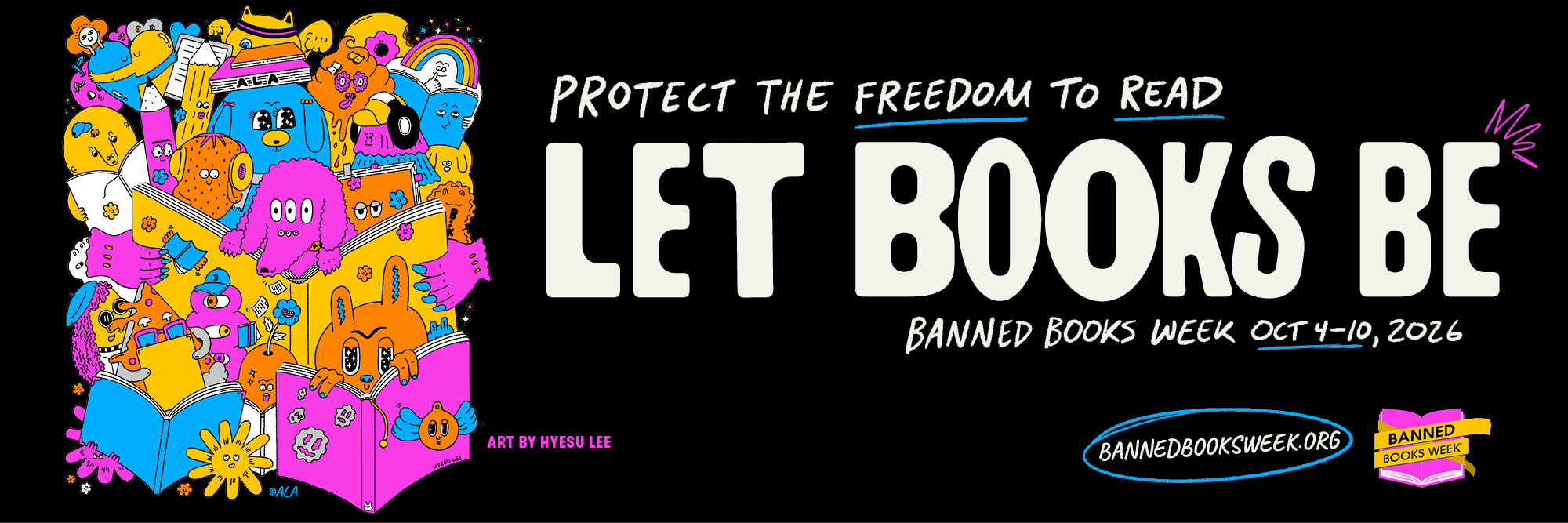
Banned Books Week is an annual event that runs from October 4–10. This year’s theme, “LET BOOKS BE,” highlights the increasing challenges and bans faced by books across the U.S. The event serves as a reminder of the ongoing need to actively protect our freedom to read and access diverse perspectives.
What is a Challenge vs. a Ban?

According to the American Library Association (ALA):

  • A challenge is an attempt to remove or restrict access to a book or resource.
  • A ban occurs when this attempt is successful – the book is removed from shelves, restricted, or made unavailable.

The Numbers Behind Banned Books Week

There were 4,235 unique titles challenged in 2025, the second highest ever documented by ALA.. Most bans took place in school and public libraries, with books relating to race, gender identity, and sexuality being frequent targets.

Since 1990, the ALA has tracked the censorship of books across the country. The statistics have been trending higher for decades, and they remind us of the critical importance of protecting access to all ideas!

More information and data can be found here.

Let Freedom Read Day (October 10)

Here are some ways you can participate in Banned Books Week and show your support for the freedom to read:

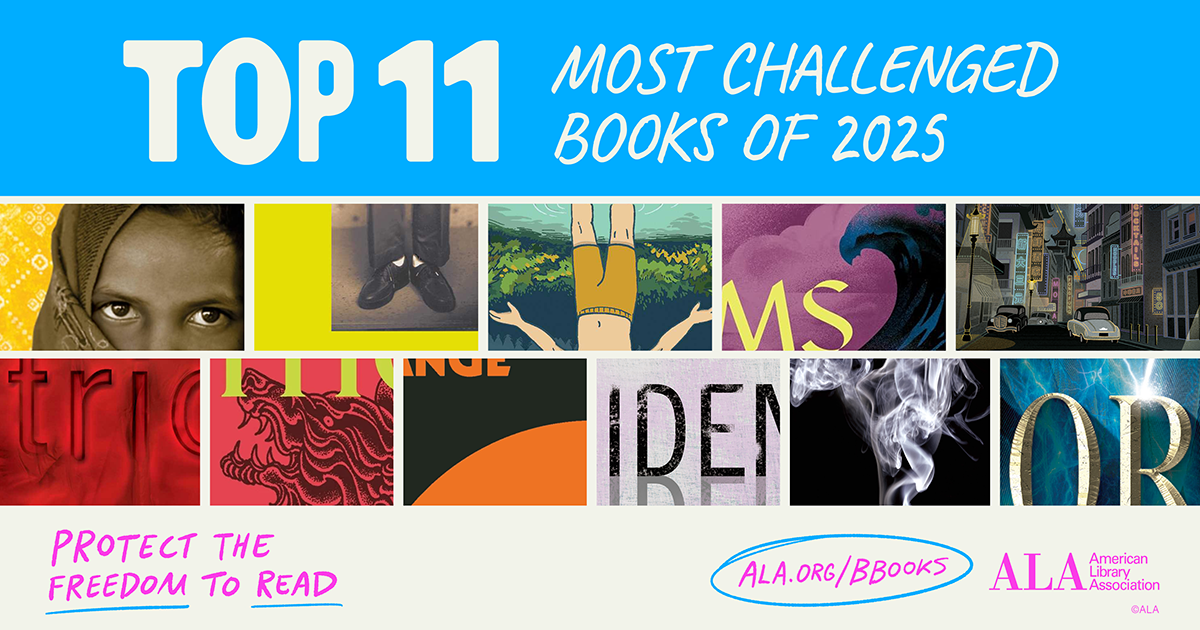
  1. Check out a banned or challenged book – whether it’s Orwell’s 1984 or one of the top 11 most challenged books of the year, it’s a great way to engage with the issue.
  2. Start a conversation. Discuss with friends, in class, or on social media why certain books have been challenged and why access to them matters.
  3. Support the right to read. Learn more about how censorship happens and how you can actively respond. Your voice matters in defending intellectual freedom.
    1. Don’t know how to get started? Visit bannedbooksweek.org for different action steps you can take!
Why It Matters

Books give us the chance to see the world from different perspectives and to explore ideas that might challenge our thinking. When books are banned, we limit the opportunity for understanding, empathy, and growth. Banned Books Week is an important reminder to stand up for free expression!
Discover Middle-earth at the UAA/APU Consortium Library

It’s Tolkien Week, and what better time to journey back to Middle-earth?

Whether you’re a lifelong Tolkien fan or simply curious about the world behind The Hobbit and The Lord of the Rings, the UAA/APU Consortium Library has plenty of Tolkien materials to explore.

Why September 22?

Tolkien Week centers around September 22, also known as Hobbit Day, the shared birthday of Bilbo and Frodo Baggins.

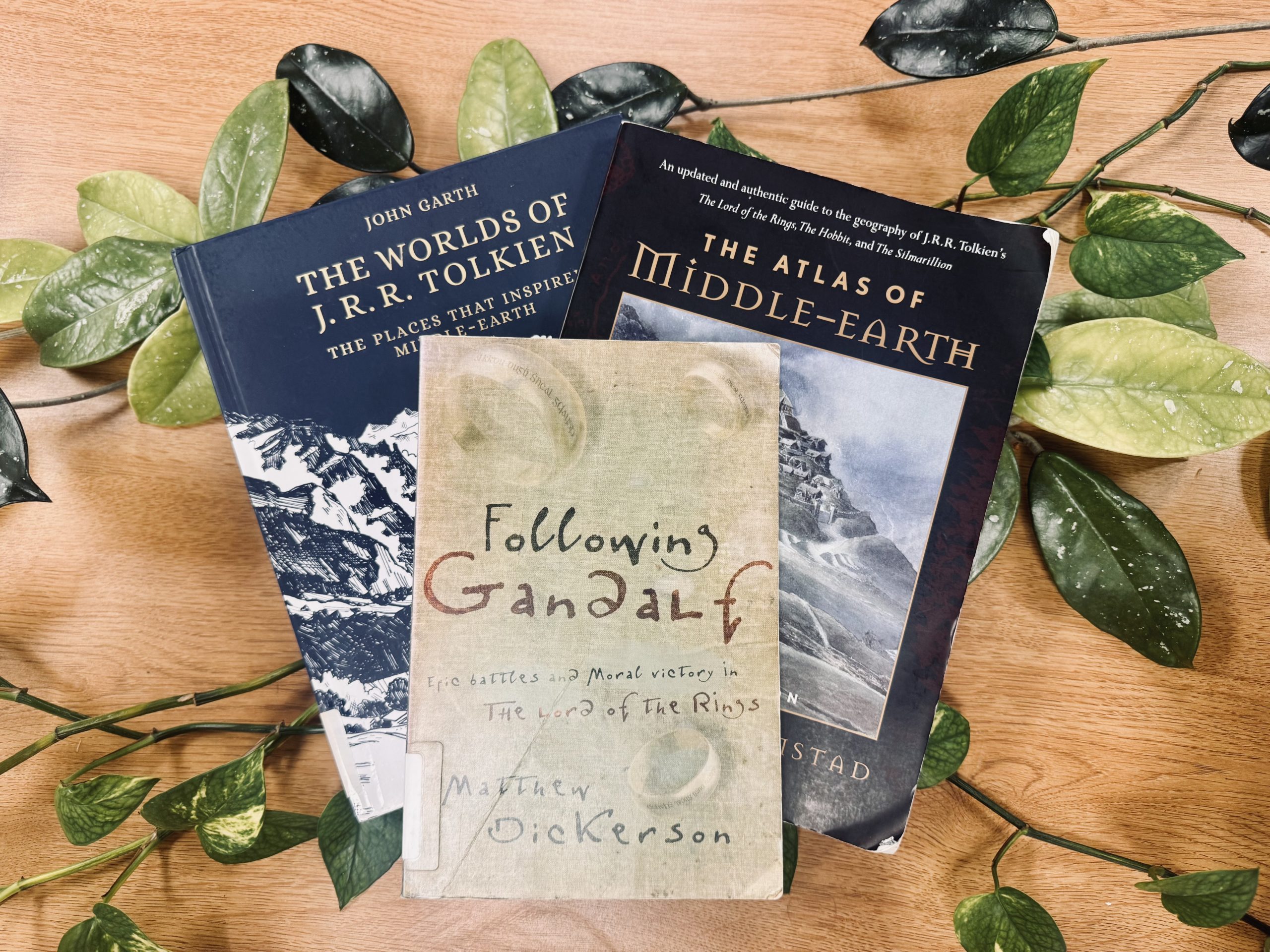
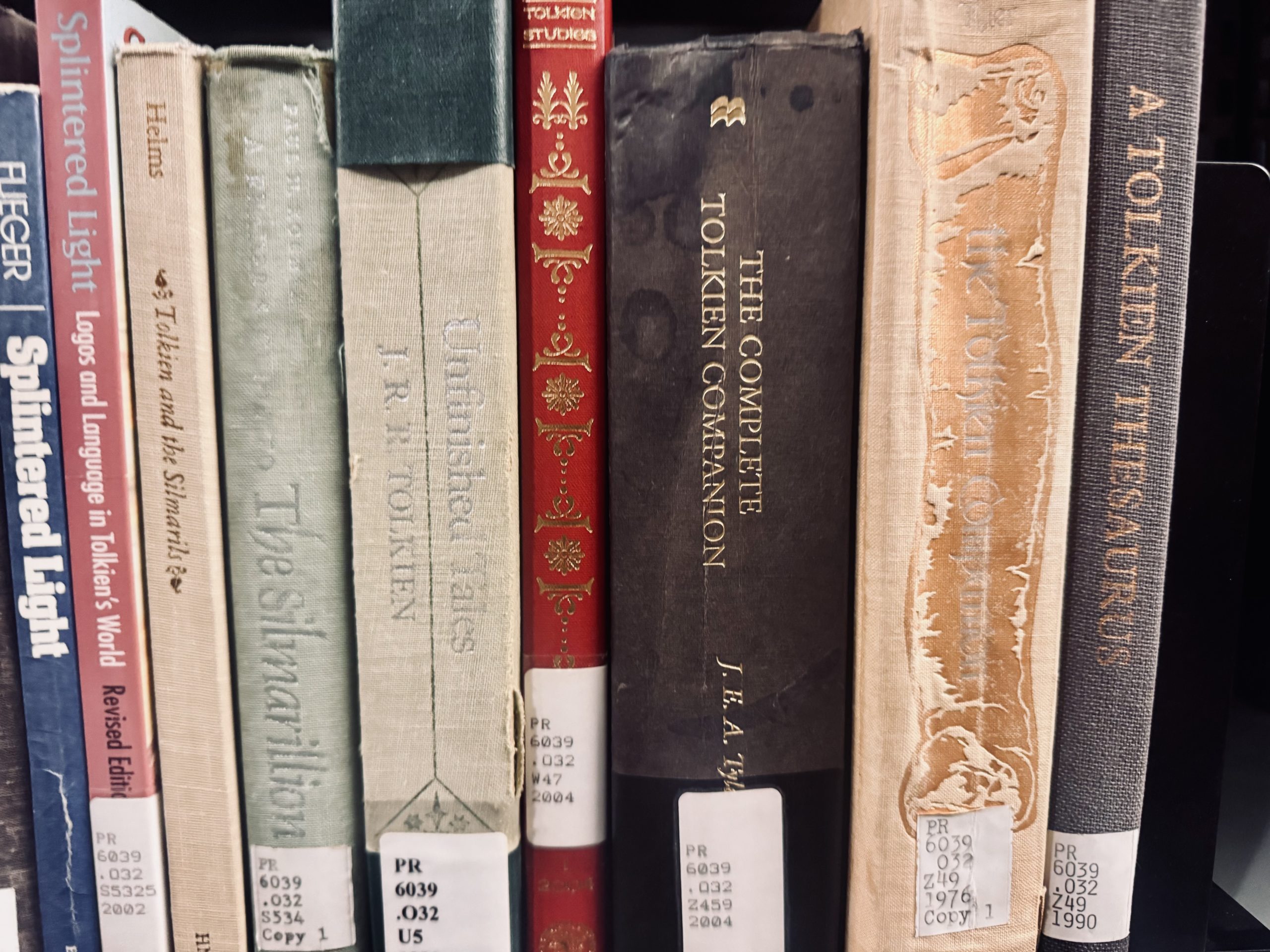
And we have much more than just the novels. Our collection includes academic works exploring Tolkien’s mythology, languages, influences, and other critical opinions/perspectives. But we have some more interesting titles to peruse such as J.R.R. Tolkien : a guide for the perplexed or perhaps A Tolkien compass : including J.R.R. Tolkien’s Guide to the names in The lord of the rings

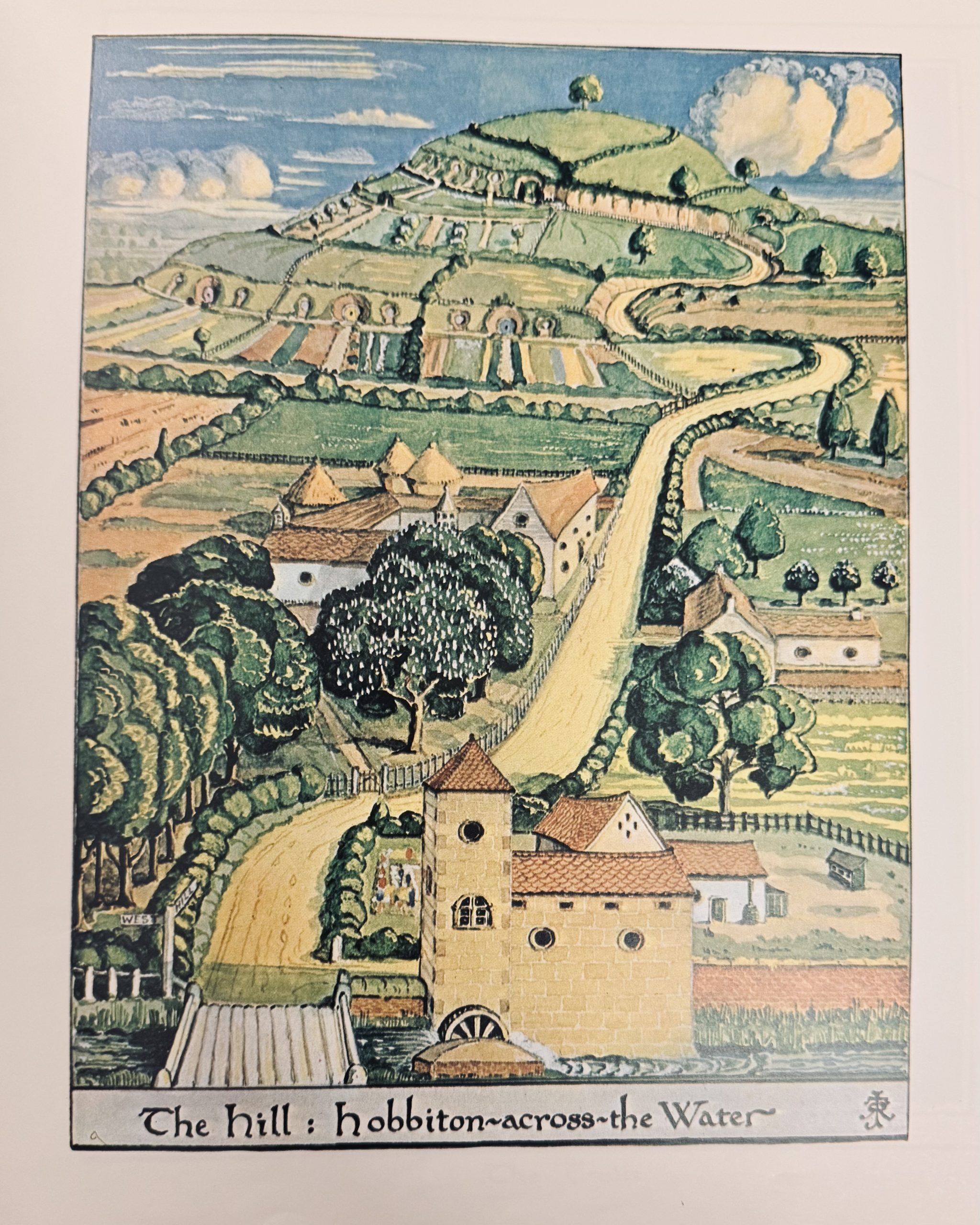
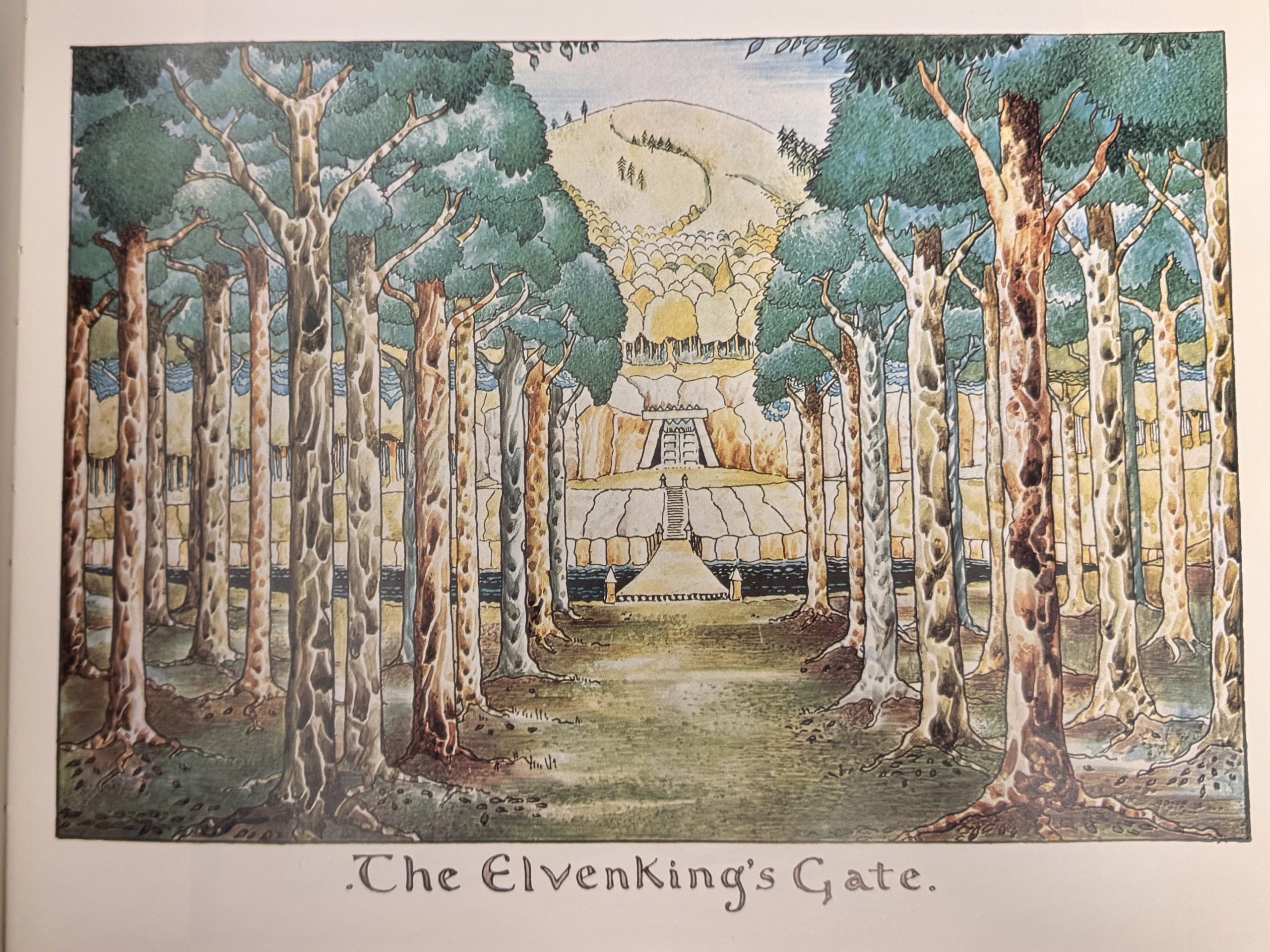
One of my personal favorites is Pictures by J.R.R. Tolkien.

Tolkien wasn’t only a writer. He was also an artist, and this collection of his illustrations gives us a glimpse into how he envisioned the world he was creating.

It’s pretty neat to see Middle-earth through Tolkien’s own eyes, rather than through the many adaptations that came later.

Take a Look

If you’re a Tolkien fan, take a few minutes to browse the collection the next time you’re in the library. Head up to PR6039.O32 and you might find a familiar favorite, discover something completely new, or stumble across a book that answers a question you didn’t even know you had.

And unlike our hobbit-y friends, please keep your shoes on in the library.

Don’t Let Bad Sources Tank Your Final Paper

Finals week is when “good enough” might start to feel really tempting. You find a source, it kind of matches your topic, and it’s easy to move on without thinking too hard about it. The problem is that weak or unreliable sources can secretly drag down your entire paper, even if your writing and ideas are solid.

That’s where the CRAAP Test actually helps – not as a rigid checklist, but as a quick way check an article while evaluating your sources. It stands for Currency, Relevance, Authority, Accuracy, and Purpose, and you can run through all five in under a minute once you get used to it. 

Start with Currency: if your topic involves something that changes quickly, like technology, health, or current events, an outdated source can weaken your argument right away. For things like a History paper sometimes older books/articles are perfectly fine so be sure to take your topic/class into consideration!

Relevance is just as important – sometimes a source is credible but doesn’t really answer your question or support your argument, and forcing it into your paper can show. Make sure to look for information that really bolsters what you are trying to say!

Authority and Accuracy are where you start separating strong sources from weak ones. Look at who wrote the piece and what qualifies them to speak on the topic – are they connected to a university, research organization, or credible publication? Then pay attention to whether their claims are supported with evidence and whether you can find similar information in other sources. Reliable information tends to overlap across multiple places, while sketchy claims often stand alone.

Finally, think about Purpose. Every source is created for a reason, and that reason shapes how information is presented. If something feels like it’s trying to persuade you, sell something, or push a specific agenda, that doesn’t automatically make it unusable – but it does mean you should tread carefully and balance it with more neutral sources.

At the end of the day, professors aren’t just grading what you say – they’re paying attention to what you build your argument on. Taking a little extra time to question your sources using the CRAAP framework can make your work more convincing without adding much effort, which is exactly the kind of advantage you want during finals week.

And as always, feel free to stop by the Information and Research Help Desk in person, online via chat or email or even an old fashion phone call – your friendly librarian is there to help you feel confident evaluating your sources 🙂

Turn Pages Into Prizes This Winter Semester

Looking for a way to make your winter semester more fun? UAA students can join the Anchorage Public Library’s Winter Reading Challenge, explore thousands of eBooks and eAudiobooks from the Alaska Digital Library, and earn free pizza, stickers, and bookmarks. Whether you’re reading for class, research, or just for fun, this challenge turns reading into rewards.

Access Thousands of eBooks with the Alaska Digital Library

The collection has something for every kind of reader:

  • Popular and literary fiction
  • Professional development and career-focused titles
  • Audiobooks for listening between classes
  • Magazines for research or casual reading

Many of the books and resources you’re already using for class can also count toward the reading challenge, so you can combine schoolwork with fun reading – and earn rewards at the same time!

How to Use the Alaska Digital Library

Getting started with ADL is simple. The Consortium Library has a helpful guide that walks you through:

  • Logging in with your library credentials or Wolf Card
  • Browsing and searching for eBooks and audiobooks
  • Borrowing, placing holds, and downloading titles
  • Using the Libby app on mobile devices

Check out the full guide here: Alaska Digital Library Guide.

How the Winter Reading Challenge Works

The Anchorage Public Library hosts the Winter Reading Challenge for Grownups with a bingo-style card full of reading prompts. The challenge encourages you to explore new genres, formats, and topics.

Here’s how to participate:

  1. Pick up a bingo card at any APL location or download it online. Your Wolf Card works at all branches.
  2. Complete prompts using print books, eBooks, or audiobooks. Many class or research readings may qualify.
  3. Complete a horizontal, vertical, or diagonal line of five squares to get bingo.
  4. Turn in your completed card at any APL location by March 15.
  5. It’s a fun and flexible way to track your reading without feeling like extra homework.

Rewards: Free Pizza, Stickers, and Bookmarks

Finish a bingo and turn in your card by March 15, and you’ll get a $10 gift card to Saverio’s Pizzeria.

What Is Peer Review – and What’s the Difference Between Scholarly and Popular Sources?

When you’re doing research, it’s important to know where your information comes from – and how much you can trust it.

What Is Peer Review?

Peer review is a quality check for academic work. Before a research article is published, it’s sent to other experts in the same field (“peers”) to evaluate the methods, accuracy, and importance of the study.

This process helps ensure the research is credible and high-quality – though it’s not perfect! You can find more information in our Peer Review guide.

Scholarly vs. Popular Sources

Not all sources are created equal.

  • Scholarly sources (like academic journals) are written by experts for other scholars or students. They include citations, technical language, and more rigorous journals put their articles through peer review. Meaning something can technically be a scholarly source but not peer-reviewed. 
  • Popular sources (like magazines, news sites, or blogs) are written for a general audience. They’re easier to read but usually don’t include detailed evidence or references.

Evaluating Your Sources

Even scholarly sources should be evaluated for credibility and bias. Try the CRAAP Test – looking at Currency, Relevance, Authority, Accuracy, and Purpose – learn more about this in our Evaluating Information guide.

In short:

  • Peer review = expert quality check.
  • Scholarly sources = research-based and cited.
  • Popular sources = accessible but less rigorous.

Always evaluate your sources before using them.