Don’t Let Bad Sources Tank Your Final Paper

Finals week is when “good enough” might start to feel really tempting. You find a source, it kind of matches your topic, and it’s easy to move on without thinking too hard about it. The problem is that weak or unreliable sources can secretly drag down your entire paper, even if your writing and ideas are solid.

That’s where the CRAAP Test actually helps – not as a rigid checklist, but as a quick way check an article while evaluating your sources. It stands for Currency, Relevance, Authority, Accuracy, and Purpose, and you can run through all five in under a minute once you get used to it. 

Start with Currency: if your topic involves something that changes quickly, like technology, health, or current events, an outdated source can weaken your argument right away. For things like a History paper sometimes older books/articles are perfectly fine so be sure to take your topic/class into consideration!

Relevance is just as important – sometimes a source is credible but doesn’t really answer your question or support your argument, and forcing it into your paper can show. Make sure to look for information that really bolsters what you are trying to say!

Authority and Accuracy are where you start separating strong sources from weak ones. Look at who wrote the piece and what qualifies them to speak on the topic – are they connected to a university, research organization, or credible publication? Then pay attention to whether their claims are supported with evidence and whether you can find similar information in other sources. Reliable information tends to overlap across multiple places, while sketchy claims often stand alone.

Finally, think about Purpose. Every source is created for a reason, and that reason shapes how information is presented. If something feels like it’s trying to persuade you, sell something, or push a specific agenda, that doesn’t automatically make it unusable – but it does mean you should tread carefully and balance it with more neutral sources.

At the end of the day, professors aren’t just grading what you say – they’re paying attention to what you build your argument on. Taking a little extra time to question your sources using the CRAAP framework can make your work more convincing without adding much effort, which is exactly the kind of advantage you want during finals week.

And as always, feel free to stop by the Information and Research Help Desk in person, online via chat or email or even an old fashion phone call – your friendly librarian is there to help you feel confident evaluating your sources 🙂
How to use Zotero to manage your citations!

If you are writing a paper and trying to keep track of your references and citations, you have probably tried a citation tool to help. There are several different options that we highlight in our How To Guide for Citation Tools. In this post we wanted to highlight one you may not have tried yet – Zotero!

Zotero is a free to use open source program that allows you to easily save, organize, and cite your sources. It includes an application that you can download to your laptop as well as a browser plug-in called Zotero Connector.

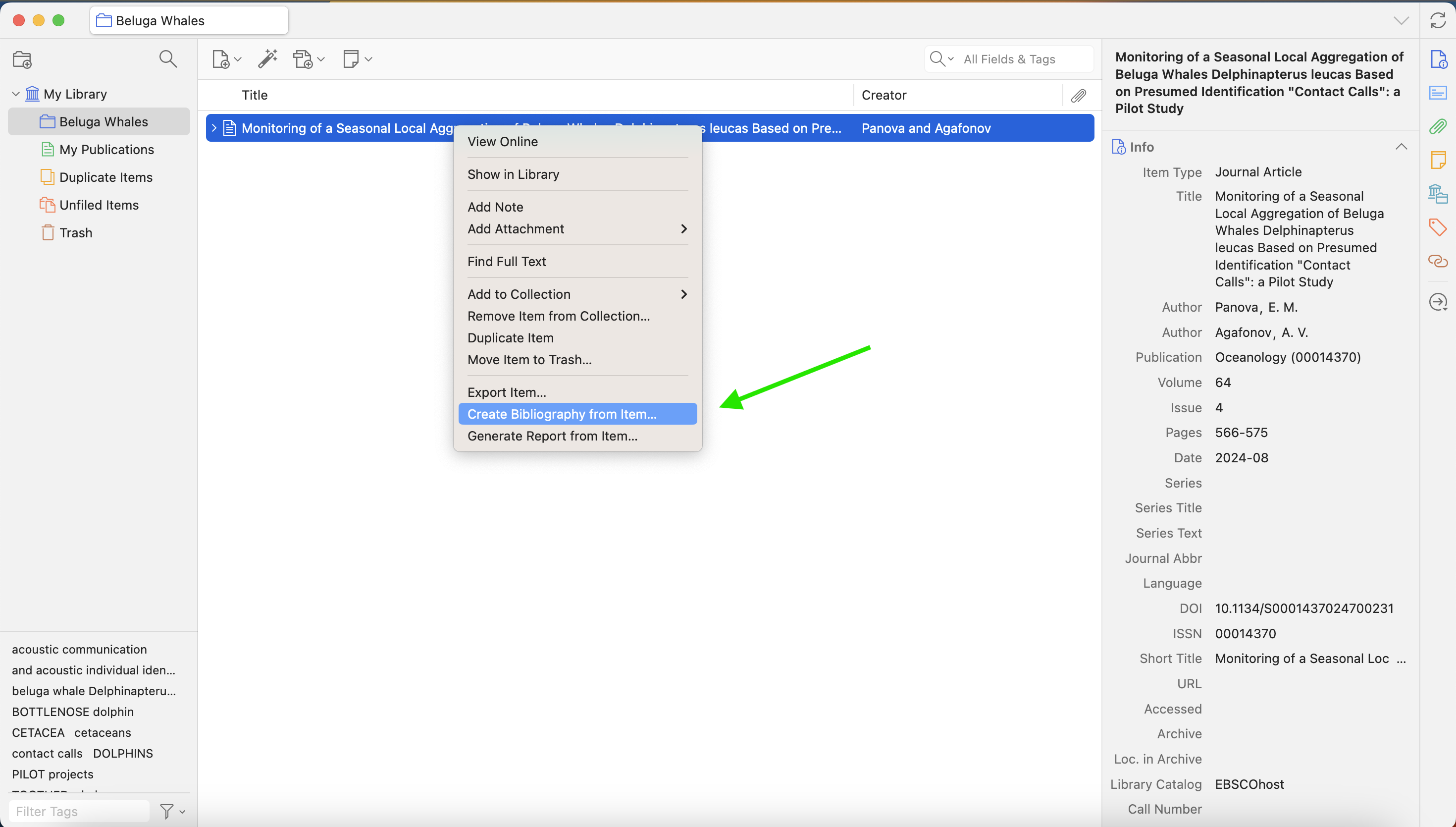
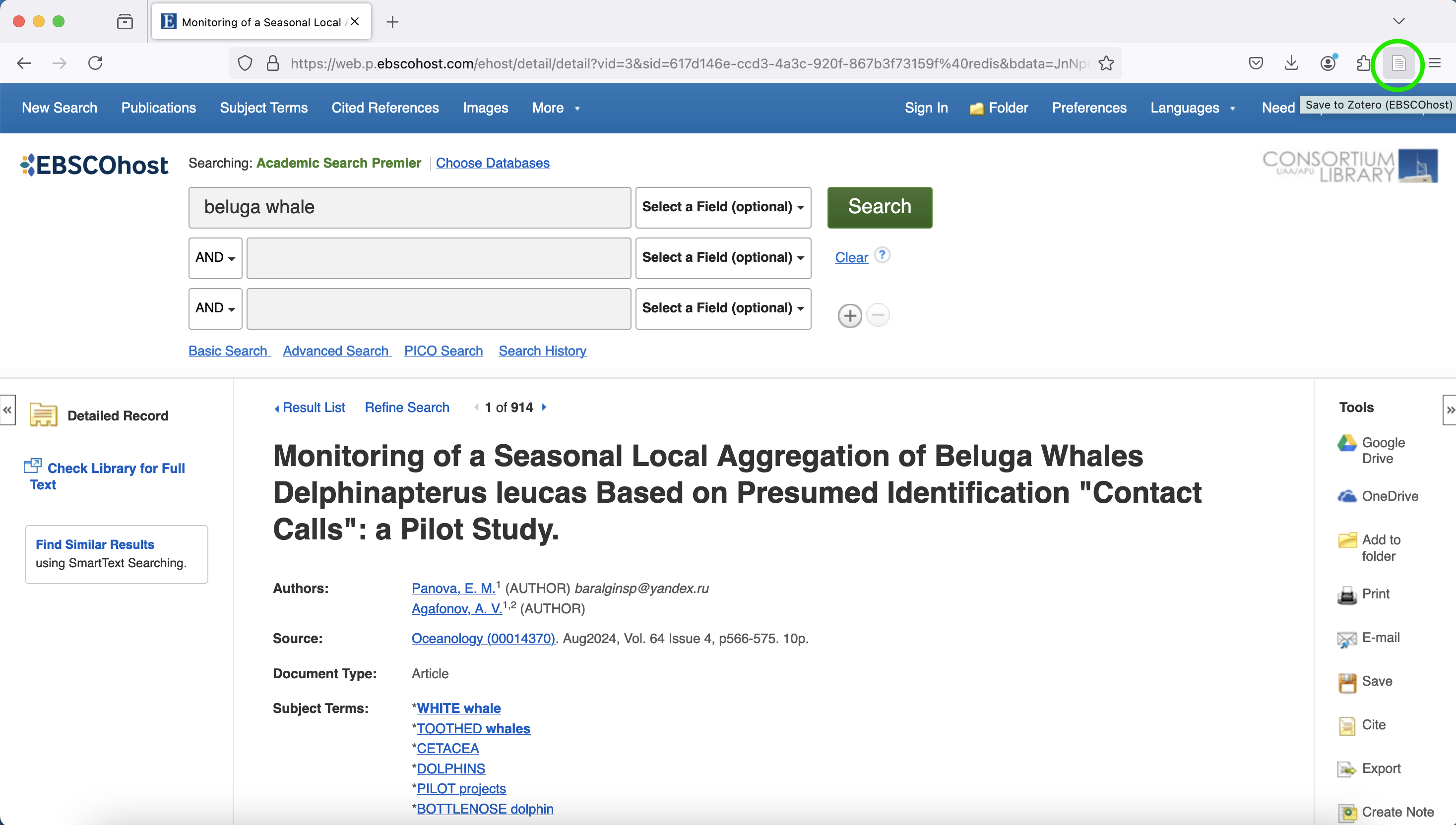
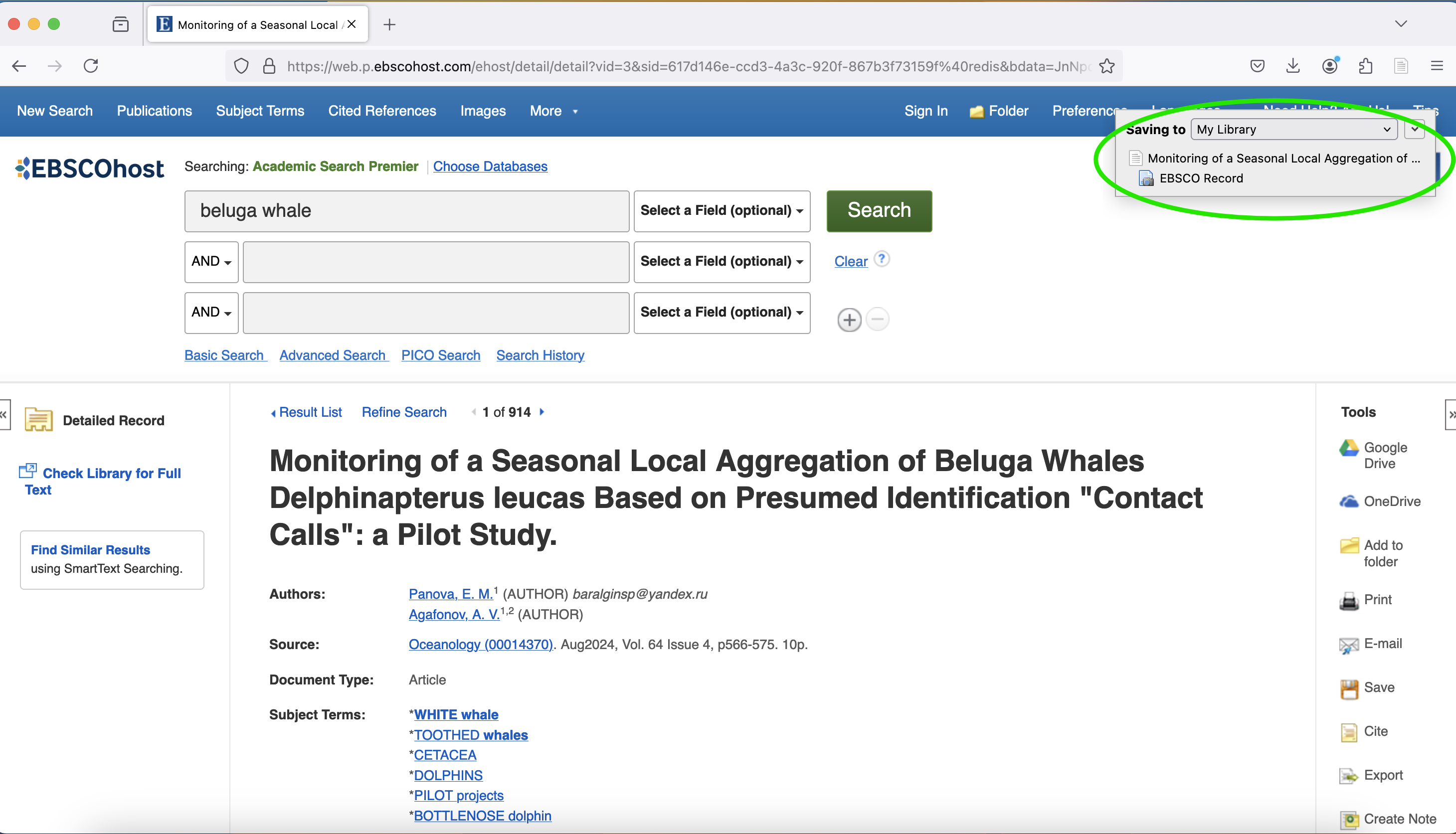
Zotero Connector detects research and you can click it any time you find a useful source to save it – whether it’s a newspaper article or a scholarly work you found in one of the Library’s databases.

Zotero Connector Icon

Zotero Connector Icon

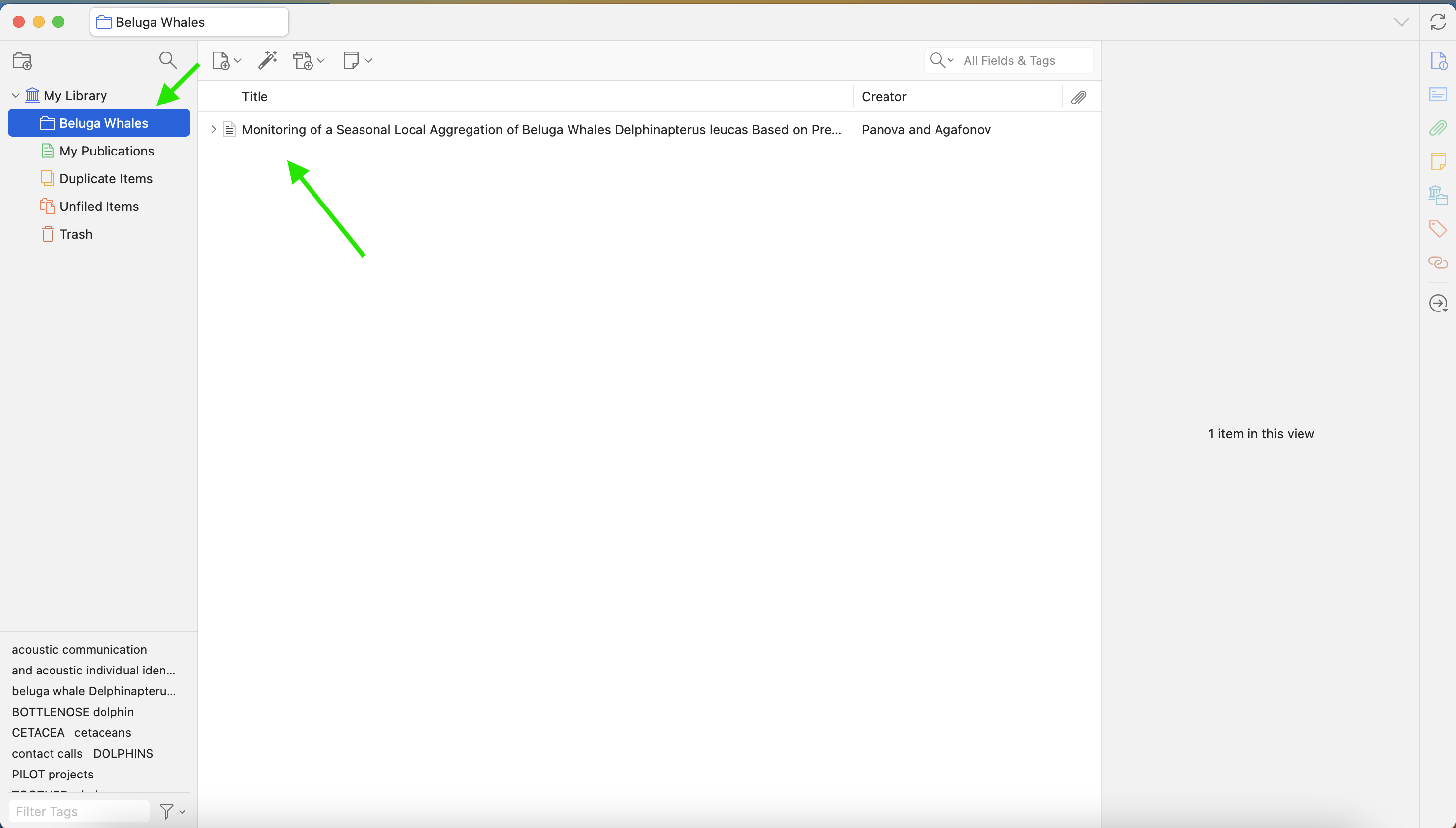
Once you save a source, you can find it in the application. There you can organize all your sources by project or topic. Zotero also integrates directly into Word and GoogleDocs so you can easily create in-text citations and a works cited/reference page.

Screenshot of Zotero Application

Screenshot of Zotero Application

Another perk to Zotero is that it is free to use for everyone – which means you can continue to use it after you graduate!

Find more information about Zotero in this handy Guide to Zotero or visit the Zotero website. If you need help getting started with Zotero, they provide an easy quick start guide.


Introduction to Academic Video Online (AVON)

Academic Video Online, AVON for short is a video subscription database that students and faculty have access to through the UAA Consortium Library’s Database webpage: 

Within AVON you can browse preselected channels or search using keywords by clicking on the magnifying glass icon found on the top of both the Homepage and the Channels page.

If you are familiar with Boolean Operators, you should review AVON’s General Platform Help page for Search Tips, because AVON does not follow typical Boolean Logic. 

If you would like to create personal playlists and clips, you must create a personal user account, click on the red account button located on the top right hand side of each AVON page. 

AVON is a great place to search for curated academic audiovisual content. While you are a student take advantage of this valuable and interesting resource. 

We love Punch the Monkey

If your heart hasn’t already been broken and healed by Punch, the abandoned baby Japanese macaque who is just doing his best and trying to fit in at a zoo in Ichikawa City Zoo, you’re in for a real emotional journey. When he first arrived at the zoo, he struggled with socializing and showed signs of anxiety from the isolation. To help him with his transition, zoo-keepers gave him an orangutan plushie which he took to very fondly – photos of him cuddling and carrying the plushie around the enclosure quickly went viral and the heart of the Internet was captured.

Happily, Punch has now been seen being groomed and held by one of the adult macaques – a wonderful development for his socialization with the other monkeys at the zoo! You can read the Ichikawa City Zoo’s update here (if you don’t read Japanese, click the “translate” button!)

You can find photos and read more about Punch here.

Want to learn more about the social dynamics of Japanese macaques? Check out this search or some of the articles highlighted below (be sure to be logged in for off-campus access or connected to campus WiFi before clicking links)!

Male–male social bonds predict tolerance but not coalition formation in wild Japanese macaques by Tatsuro Kawazoe

Social play among juvenile wild Japanese macaques (Macaca fuscata) strengthens their social bonds by Masaki Shimada and Cédric Sueur

Have more questions about macaques or another topic? Reach out to us at the Information & Research Help Desk!

Happy Spring Break, Seawolves!

If you are working on papers or projects this week, the Research Help Desk is still staffed to help! We are open every day, with the exception of Friday, March 13th. Check the hours of the library, the Research Help Desk and other departments here: https://libcal.consortiumlibrary.org/hours/

Working on assignments from home? No problem – you can contact us by email, phone, text, or chat! Find more information on our Ask Us page: https://ask.consortiumlibrary.org/

If you’re doing research off-campus, don’t forget to log in for off-campus access to ensure you’re able to access all the articles and databases we are subscribed to. Log in using your university credentials: https://login.consortiumlibrary.idm.oclc.org/login

Wishing you all a restful and relaxing break!