Author Archives: Celia Hartz

Turn Pages Into Prizes This Winter Semester

Looking for a way to make your winter semester more fun? UAA students can join the Anchorage Public Library’s Winter Reading Challenge, explore thousands of eBooks and eAudiobooks from the Alaska Digital Library, and earn free pizza, stickers, and bookmarks. Whether you’re reading for class, research, or just for fun, this challenge turns reading into rewards.

Access Thousands of eBooks with the Alaska Digital Library

The collection has something for every kind of reader:

  • Popular and literary fiction
  • Professional development and career-focused titles
  • Audiobooks for listening between classes
  • Magazines for research or casual reading

Many of the books and resources you’re already using for class can also count toward the reading challenge, so you can combine schoolwork with fun reading – and earn rewards at the same time!

How to Use the Alaska Digital Library

Getting started with ADL is simple. The Consortium Library has a helpful guide that walks you through:

  • Logging in with your library credentials or Wolf Card
  • Browsing and searching for eBooks and audiobooks
  • Borrowing, placing holds, and downloading titles
  • Using the Libby app on mobile devices

Check out the full guide here: Alaska Digital Library Guide.

How the Winter Reading Challenge Works

The Anchorage Public Library hosts the Winter Reading Challenge for Grownups with a bingo-style card full of reading prompts. The challenge encourages you to explore new genres, formats, and topics.

Here’s how to participate:

  1. Pick up a bingo card at any APL location or download it online. Your Wolf Card works at all branches.
  2. Complete prompts using print books, eBooks, or audiobooks. Many class or research readings may qualify.
  3. Complete a horizontal, vertical, or diagonal line of five squares to get bingo.
  4. Turn in your completed card at any APL location by March 15.
  5. It’s a fun and flexible way to track your reading without feeling like extra homework.

Rewards: Free Pizza, Stickers, and Bookmarks

Finish a bingo and turn in your card by March 15, and you’ll get a $10 gift card to Saverio’s Pizzeria.

What Is Peer Review – and What’s the Difference Between Scholarly and Popular Sources?

When you’re doing research, it’s important to know where your information comes from – and how much you can trust it.

What Is Peer Review?

Peer review is a quality check for academic work. Before a research article is published, it’s sent to other experts in the same field (“peers”) to evaluate the methods, accuracy, and importance of the study.

This process helps ensure the research is credible and high-quality – though it’s not perfect! You can find more information in our Peer Review guide.

Scholarly vs. Popular Sources

Not all sources are created equal.

  • Scholarly sources (like academic journals) are written by experts for other scholars or students. They include citations, technical language, and more rigorous journals put their articles through peer review. Meaning something can technically be a scholarly source but not peer-reviewed. 
  • Popular sources (like magazines, news sites, or blogs) are written for a general audience. They’re easier to read but usually don’t include detailed evidence or references.

Evaluating Your Sources

Even scholarly sources should be evaluated for credibility and bias. Try the CRAAP Test – looking at Currency, Relevance, Authority, Accuracy, and Purpose – learn more about this in our Evaluating Information guide.

In short:

  • Peer review = expert quality check.
  • Scholarly sources = research-based and cited.
  • Popular sources = accessible but less rigorous.

Always evaluate your sources before using them.

It’s Open Access Week!

October 20–26, is International Open Access Week, a global event organized by the Scholarly Publishing and Academic Resources Coalition (SPARC) in partnership with the Open Access Week Advisory Committee. Each year, libraries, universities, and researchers around the world come together to celebrate the movement to make scholarly and creative work freely available for anyone to read, learn from, and build upon.

Why does it matter?
Because research and knowledge should be accessible to everyone. Open access helps students, teachers, small businesses, journalists, and lifelong learners everywhere explore high-quality information.

Here are a few ways you can explore open access resources right now:

Faculty interested in incorporating Open Educational Resources (OER) into their courses can explore our OER Guide. This guide provides practical information on finding, evaluating, and using OER, including discipline-specific collections and tools for creating or adapting open materials. It is a helpful starting point for anyone looking to reduce textbook costs and increase access to learning.

Open Access empowers everyone to learn, create, and share without barriers. It is about connection, collaboration, and making sure that knowledge – whether it is groundbreaking research or a beautifully scanned old book – is available to all!

Banned Books Week 2025: Let Freedom Read

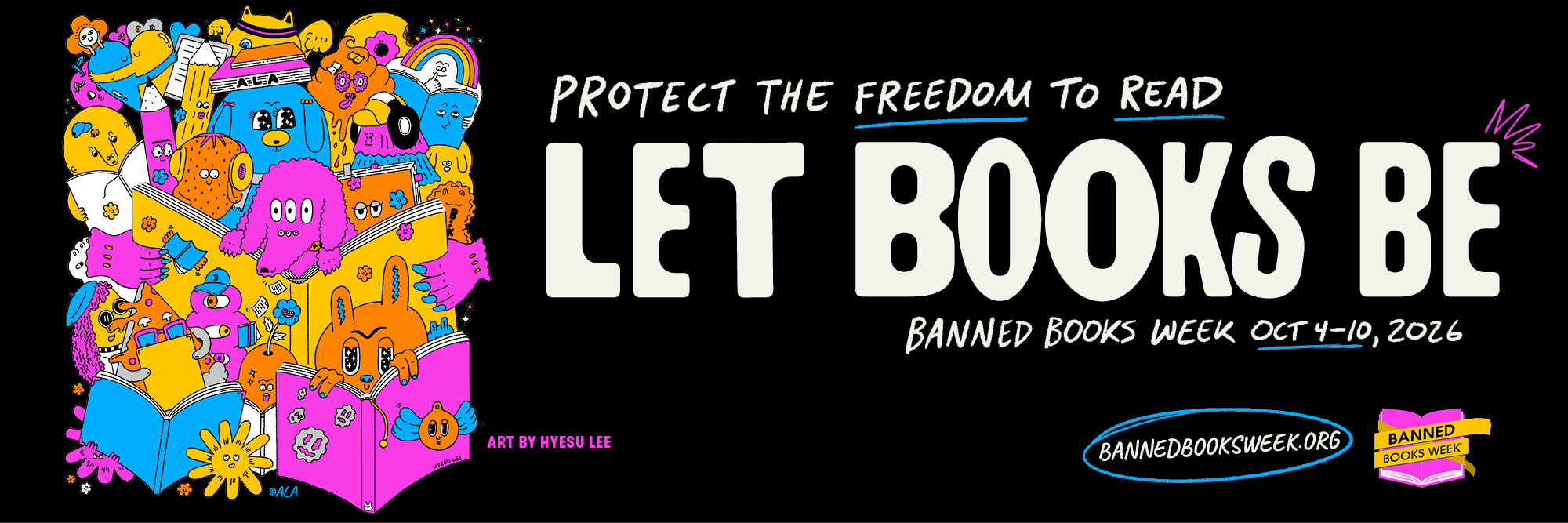
Banned Books Week is an annual event that runs from October 5–11. This year’s theme, “Censorship Is So 1984,” highlights the increasing challenges and bans faced by books across the U.S. The event serves as a reminder of the ongoing need to actively protect our freedom to read and access diverse perspectives.
What is a Challenge vs. a Ban?

According to the American Library Association (ALA):

  • A challenge is an attempt to remove or restrict access to a book or resource.
  • A ban occurs when this attempt is successful – the book is removed from shelves, restricted, or made unavailable.

The Numbers Behind Banned Books Week

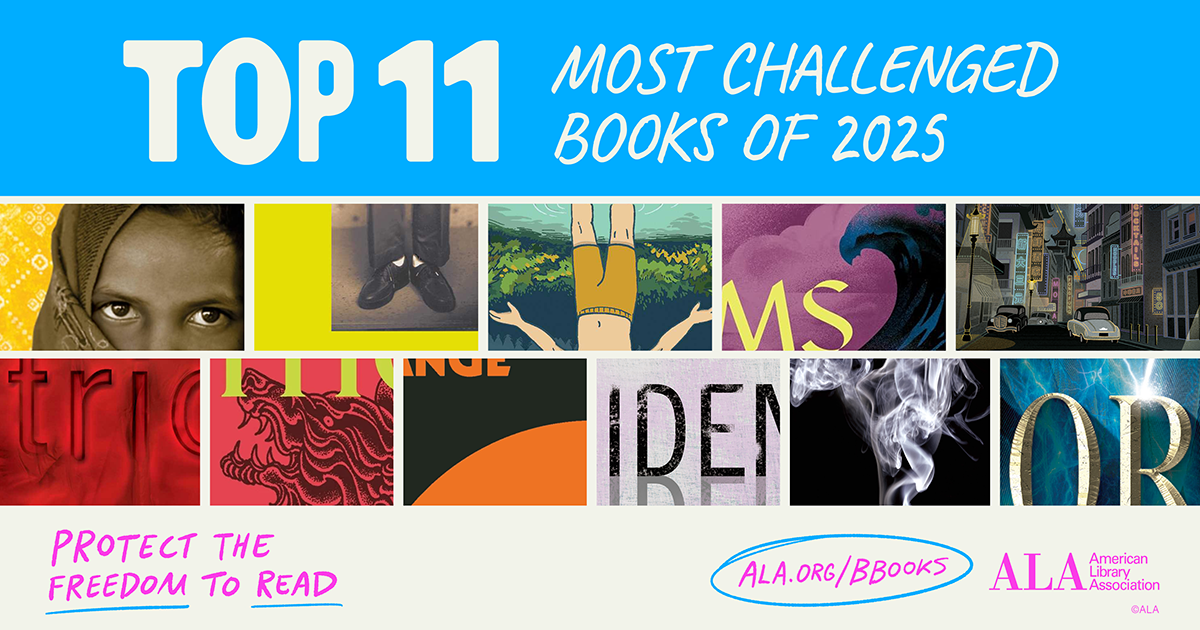
In 2024, the ALA recorded 821 censorship attempts targeting 2,452 unique titles, one of the highest numbers on record. Most bans took place in school and public libraries, with books relating to race, gender identity, and sexuality being frequent targets.

Since 1990, the ALA has tracked the censorship of books across the country. The statistics have been trending higher for decades, and they remind us of the critical importance of protecting access to all ideas!

More information and data can be found here.

Let Freedom Read Day (October 11)

Here are some ways you can participate in Banned Books Week and show your support for the freedom to read:

  1. Check out a banned or challenged book – whether it’s Orwell’s 1984 or one of the top 10 most challenged books of the year, it’s a great way to engage with the issue.
  2. Start a conversation. Discuss with friends, in class, or on social media why certain books have been challenged and why access to them matters.
  3. Support the right to read. Learn more about how censorship happens and how you can actively respond. Your voice matters in defending intellectual freedom.
    1. Don’t know how to get started? Visit bannedbooksweek.org for different action steps you can take!
Why It Matters

Books give us the chance to see the world from different perspectives and to explore ideas that might challenge our thinking. When books are banned, we limit the opportunity for understanding, empathy, and growth. Banned Books Week is an important reminder to stand up for free expression!
What Makes a Great Alaskan Story? Find Out at This Special Author Event

Alaska isn’t just a backdrop – it’s a source of inspiration, challenge, and mystery for writers across the state. If you’ve ever wondered what makes a story feel truly Alaskan, this upcoming event at the Consortium Library is for you.

What:
The Mountain, the Mystery, and the Muse: What Makes a Great Alaskan Story?
A panel conversation with three published Alaskan authors about how the land, people, and experiences of Alaska shape their writing.

Who:
Featuring authors Martha Amore, Don Rearden, and John Messick

When:
Friday, October 3
6:00 to 7:30 p.m.

Where:
Library 307
UAA/APU Consortium Library

Bonus:
Light refreshments will be served
Virtual attendance option available (scan the QR code in the flyer below)

Whether you’re a writer, reader, student, or just someone who loves a good story rooted in place, this event is a great opportunity to hear directly from authors who live and write Alaska. Learn how they find inspiration, what keeps them going, and how they bring the Last Frontier to life on the page.

Scroll down to view the flyer for full details and virtual access info.